KEY POINTS
-
U.S.-Canada relations have strained due to tariffs and political tensions, leading Canada to reduce U.S. reliance, boost trade with Europe and Asia, and invest in nation-building projects like infrastructure, energy, and mining.
-
Canada’s Major Projects Office is expediting initiatives such as LNG export capacity, Alberta oil pipelines, and mining expansions to strengthen its economy and diversify global trade partnerships.
-
The U.S. Genesis Mission focuses on AI, robotics, and quantum computing, increasing demand for raw materials like lithium and phosphate, while Canada’s potash exports remain crucial despite potential U.S. tariffs encouraging domestic production.
U.S. and Canada Relations Hit a Rough Patch
Relations between the U.S. and Canada, once close allies, have recently soured to a degree not seen since colonial times. Washington’s imposition of severe tariffs on Canadian imports and President Trump’s suggestion of Canada becoming the 51st state have deeply offended its northern neighbor.
In response, Canada has curtailed purchases of U.S. goods like wine and bourbon, encouraged buying Canadian products, and prioritized trade agreements with Europe and Asia. Canadian visits to U.S. destinations have also dropped significantly.
These tensions have shifted Canada’s political focus toward diversifying international partnerships, increasing defense spending, and launching major nation-building projects. Key initiatives include expanding shipping infrastructure, electricity generation, and raw material extraction to support global industries like AI and robotics.
Canada’s Strategic Shift and Major Projects
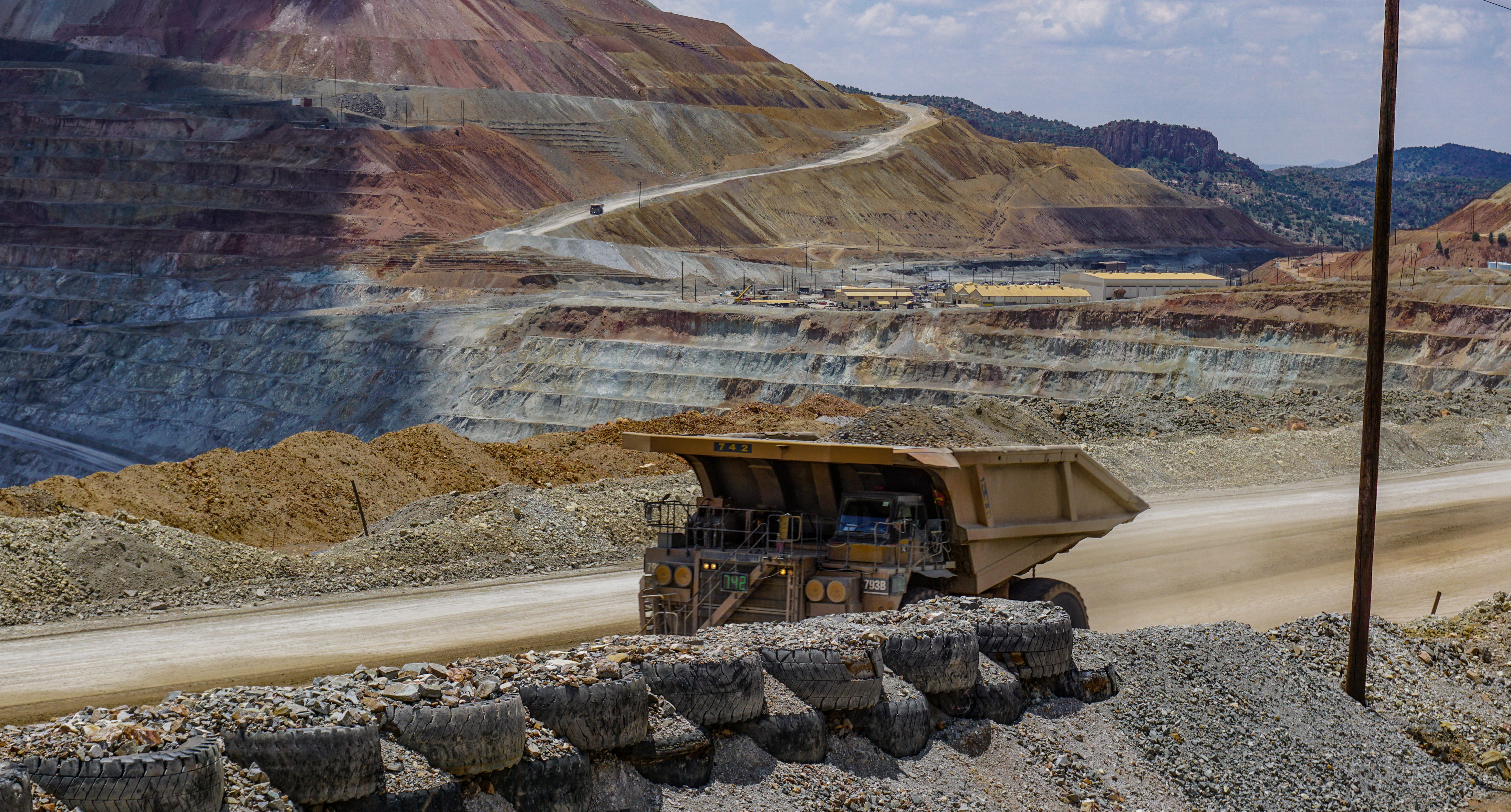
Ottawa’s Major Projects Office is fast-tracking private sector investments in LNG export capacity, Alberta oil pipelines, small modular reactors in Ontario, and the Port of Montreal’s container terminal. Mining projects, such as the Red Chris copper-gold mine in B.C. and the Crawford nickel mine in Ontario, are also being prioritized, alongside carbon capture initiatives and upgrades to the Port of Churchill.
This rift has clarified Canada’s need to reduce its economic dependence on the U.S. and engage more strategically with global partners. Meanwhile, the U.S. is pursuing its own ambitious plan, the Genesis Mission, a public-private initiative to maintain technological superiority over China.
U.S. Genesis Mission and Resource Demands
The Genesis Mission focuses on AI, robotics, 6G telecommunications, and quantum computing, driving demand for data centers, power plants, and raw materials like lithium, iron, and phosphate.
While the U.S. has ample lithium and iron, it must ramp up phosphate production, a resource Canada lacks but compensates for with abundant potash, a key crop fertilizer. U.S. tariffs on Canadian potash could encourage domestic production but may push Canada to find alternative global buyers.
Economic Outlook
The master plans of both countries will play out over the long term, but how is each economy doing right now? That’s not easy to answer for the U.S., given that statistics gathering and dissemination were halted during the government shutdown.
Both nations’ long-term strategies will take time to unfold. In the short term, however, low weekly US jobless claims at the end of November (only 191,000) suggest some optimism. Only when the figure climbs above 300,000 does the prospect of recession take center stage.
As for Canada, it has been posting a minimum of forward movement in its quarterly Gross Domestic Product (GDP), with results of 0.5% growth in Q1, a 0.5% decline in Q2, and 0.6% growth in Q3, seasonally adjusted and annualized.
Considering the challenges Canada has been facing, those results can be judged as not so bad.
About ConstructConnect
At ConstructConnect, our software solutions provide the information construction professionals need to start every project on a solid foundation. For more than 100 years, our keen insights and market intelligence have empowered commercial firms, building product manufacturers, trade contractors, and architects to make data-driven decisions, streamline preconstruction workflows, and maximize their productivity. Our newest offerings—including our comprehensive, AI-assisted software—help our clients find, bid on, and win more projects.
ConstructConnect operates as a business unit of Roper Technologies (Nasdaq: ROP), a constituent of the Nasdaq 100, S&P 500, and Fortune 1000.
For more information, visit constructconnect.com