KEY POINTS
-
Valley Water's board of directors has awarded a $1.88-billion construction contract to the Flatiron Dragados Sukut ADSRP Joint Venture for the Anderson Dam Seismic Retrofit Project in eastern Santa Clara County, California.
-
Construction on the $2.8-billion overhaul is set to begin in early 2027 and is expected to take approximately seven years.
-
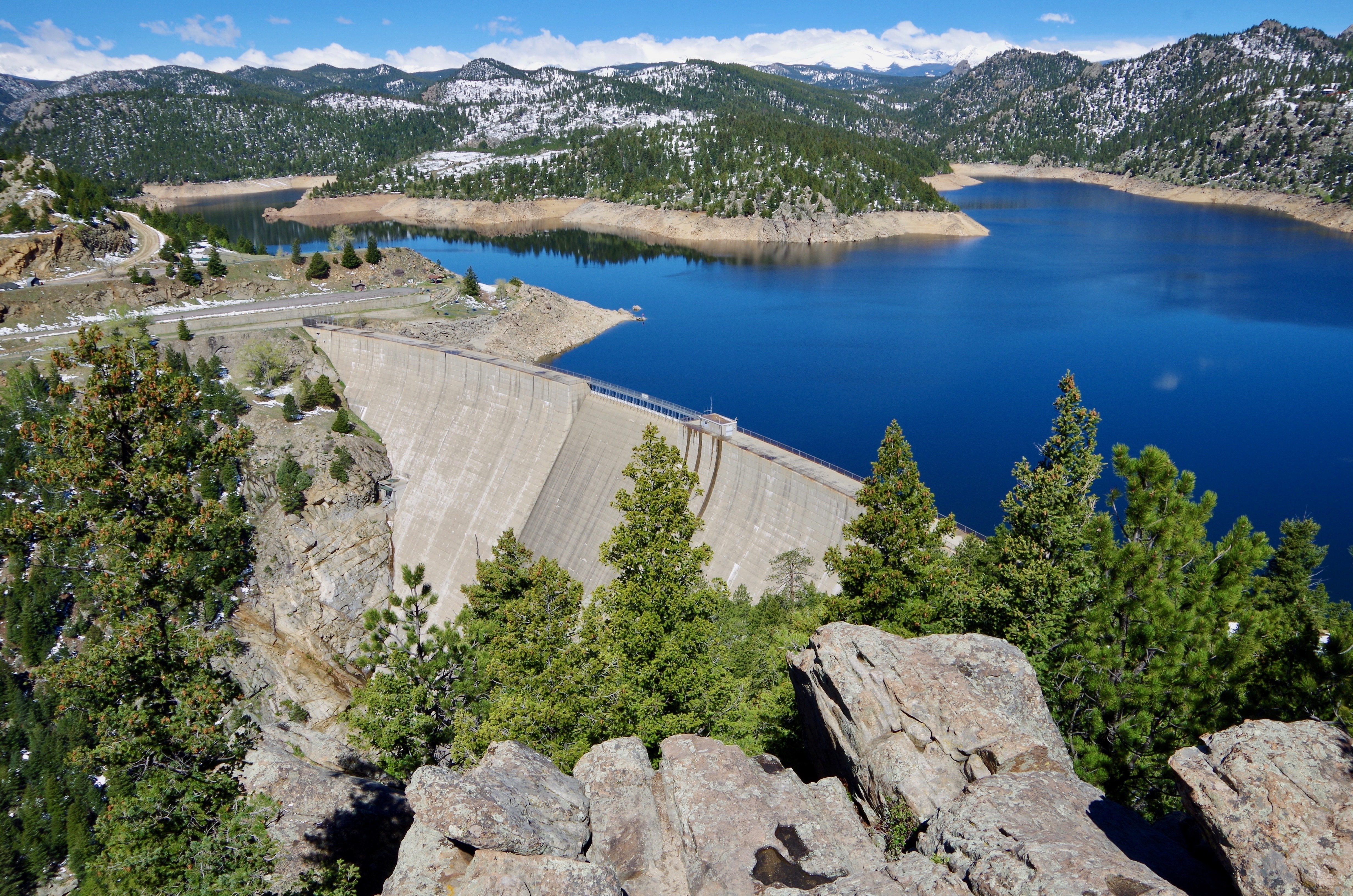
Anderson Reservoir, built in 1950, is the largest of Valley Water's 10 reservoirs — so large the agency says its other nine could fit inside it. Seismic safety concerns have restricted the reservoir to a fraction of its storage capacity for years.
After years of planning, engineering, regulatory reviews and preliminary construction work, one of California’s most significant water infrastructure projects is finally ready to move forward.
The Santa Clara Valley Water District, known as Valley Water, has awarded a major construction contract for the $2.8-billion Anderson Dam Seismic Retrofit Project, clearing the way for work to begin in early 2027.
The milestone follows notice recently that key federal regulators have approved the project and marks the next chapter in restoring the region’s largest reservoir to full operation.
Why has Anderson Dam been out of service?
Located in eastern Santa Clara County, Anderson Reservoir has been at the center of seismic safety concerns for years. Built in 1950, it is the biggest of Valley Water’s 10 reservoirs and is so large the agency says all nine of its other reservoirs could fit inside it.
Concerns about the dam’s performance during a major earthquake prompted restrictions on reservoir storage levels, leaving the facility operating at only a fraction of its capacity while solutions were developed.
Now, with regulatory approvals in place and supporting infrastructure nearing completion, construction crews are preparing to begin a comprehensive overhaul of the dam.
Who won the construction contract?
Valley Water’s board of directors formally awarded a $1.88-billion construction contract to the Flatiron Dragados Sukut ADSRP Joint Venture, which will carry out the massive rebuilding effort.
Construction is expected to take about seven years.

The centerpiece of the work is the Anderson Dam Tunnel Project, which is now in its final stages and expected to be completed later this year. The tunnel replaces the dam’s existing four-foot-diameter outlet pipe with a much larger 13-foot-diameter outlet. Image: Valley Water
“Rebuilding Anderson Dam is our top priority,” Valley Water board chair Tony Estremera said in a statement. “This milestone reflects years of hard work, collaboration and perseverance by our staff, contractors, regulators and community partners.”
The upcoming work, he noted, “marks the next phase of one of Santa Clara County’s most important water infrastructure projects that will benefit our community for generations to come.”
The project received a significant boost earlier this year when federal regulators gave it the green light.
What did federal regulators approve?
In spring 2026, the Federal Energy Regulatory Commission approved the retrofit project and authorized decommissioning of the hydroelectric generating facility formerly located at the site. The hydroelectric operation had served the dam for roughly three decades but has been inactive since 2018.
A second major regulatory milestone followed in June when the U.S. Army Corps of Engineers issued a critical water resources permit. Together, the federal approvals kept the project on schedule and cleared the way for Valley Water to advance toward construction.
What will the rebuild involve?
Under the approved plan, major portions of the existing dam and spillway will be rebuilt to meet modern seismic and safety standards.
The work will involve reconstructing portions of the dam embankment and spillway, installing new outlet pipes and carrying out a series of major safety upgrades designed to address earthquake risks and improve long-term operations.
Valley Water will rebuild the dam to meet modern safety standards and implement environmental measures.
When completed, the retrofitted facility will allow Anderson Reservoir to return to normal operating levels.
What are the benefits beyond dam safety?
But the benefits extend well beyond improving dam safety. Valley Water says the rebuilt facility will help enhance water supply reliability, support groundwater recharge, provide greater flood protection and restore recreational opportunities at the reservoir and along the nearby Coyote Creek corridor.
For the two million residents served by Valley Water’s integrated water management system, the improvements are expected to play an important role in securing future water supplies while protecting communities downstream.
What preparatory work is already underway?
Before the main retrofit can begin, however, a series of supporting projects required by regulators will have to be completed. They are necessary to safely manage water flows during construction.
Most of the preparatory work has already been finished.
The centerpiece is the Anderson Dam Tunnel Project, which is now in its final stages and expected to be completed later this year. The tunnel replaces the dam’s existing four-foot-diameter outlet pipe with a much larger 13-foot-diameter outlet.

The upgraded tunnel is considered essential to the success of the larger dam reconstruction effort. It will allow Valley Water to release larger volumes of water into Coyote Creek while the reservoir remains empty during construction, and it will provide greater flexibility for managing reservoir levels during future storms and emergency situations.
Valley Water expects the new tunnel to be functional before the start of the coming winter season and available for use if significant rain events occur.
The tunnel is one of five supporting projects that Valley Water launched to prepare for the seismic retrofit. Agency officials say all five projects are on track to be completed before construction on the new dam begins.
The projects will enable Valley Water to safely maintain an empty reservoir throughout the reconstruction period while minimizing impacts on surrounding waterways and communities.
How is the project being funded?
The dam rebuild has required a substantial financial commitment. Since 2023, Valley Water has secured more than $114 million in state and federal grants for critical water infrastructure projects.
In addition to the 10 dams and surface water reservoirs, Valley Water manages three water treatment plants, an advanced recycled water purification center, water quality laboratory, nearly 280 acres of groundwater recharge ponds and 350 miles of waterways.
Stay Connected
Stay connected with ConstructConnect News for construction industry news and construction market analysis to stay ahead of what’s building next.
About ConstructConnect
At ConstructConnect, our software solutions provide the information that construction professionals need to start every project on a solid foundation. For more than 100 years, our keen insights and market intelligence have empowered commercial firms, building product manufacturers, trade contractors, and architects to make data-driven decisions, streamline preconstruction workflows, and maximize their productivity. Our newest offerings—including our comprehensive, AI-assisted software—help our clients find, bid on, and win more projects.
ConstructConnect operates as a business unit of Roper Technologies (Nasdaq: ROP), a constituent of the Nasdaq 100, S&P 500, and Fortune 1000.
For more information, visit constructconnect.com
.jpg?width=180&height=180&name=Grant%20Cameron%20(1).jpg)