KEY POINTS
-
Prices for inputs to new nonresidential construction rose 7.1% year over year in July, according to an AGC analysis of Bureau of Labor Statistics data.
-
Diesel, liquid asphalt, aluminum mill shapes, steel mill products, and copper and brass mill shapes posted some of the largest increases.
-
AGC said tariff relief and a long-term surface transportation bill are needed to help contractors estimate costs, bid work and keep infrastructure projects moving.
Construction input costs rose 7.1% from July 2025 to July 2026 as price increases spread beyond petroleum products and metals, according to an analysis by the Associated General Contractors of America.
The association said accelerating costs, driven in part by tariffs and the effects of war, are increasing pressure on contractors, project owners, and public agencies. AGC officials called for greater certainty on trade policy, tariff relief for key construction materials, and prompt action on increased federal funding for highway and transit projects.
Petroleum and Metals Lead Construction Cost Increases
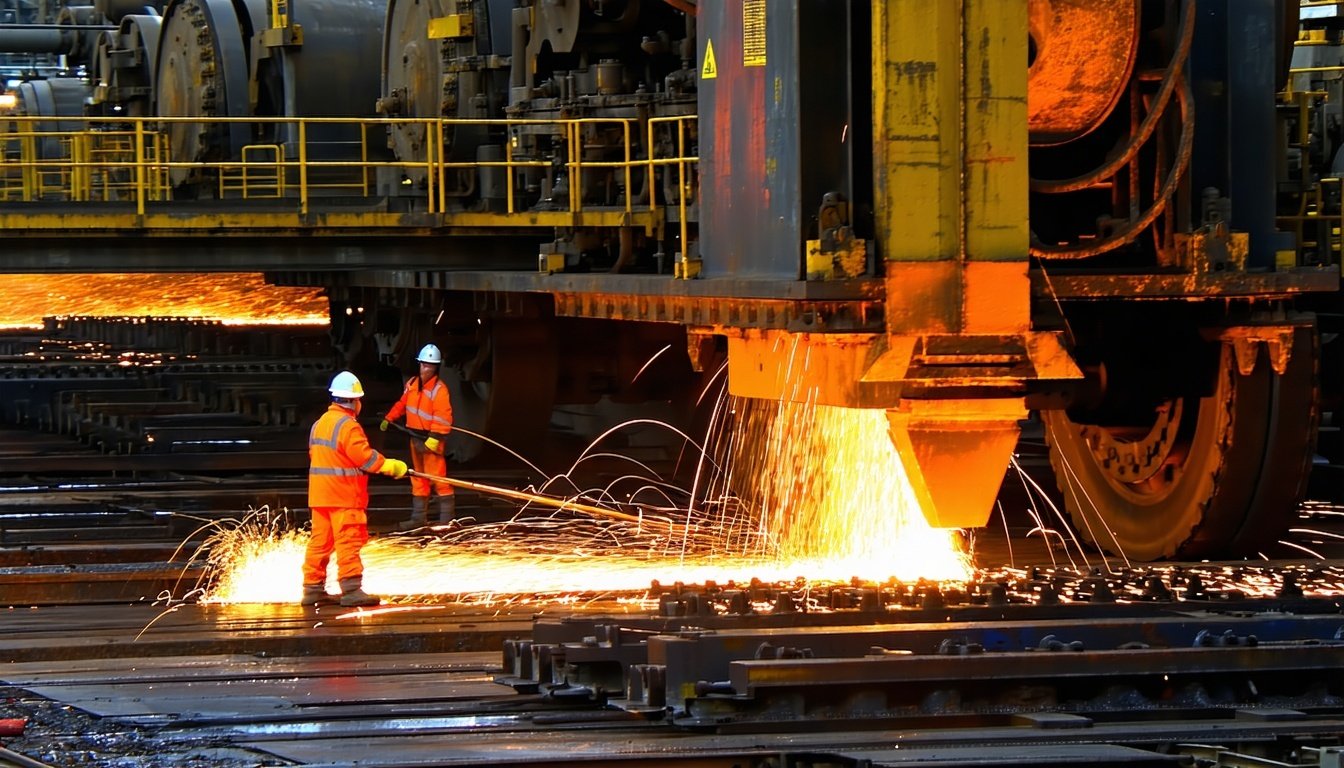
The sharpest increases continued to affect petroleum products and metals, many of which are subject to tariffs of up to 50%, AGC said.
The Producer Price Index (PPI) measures the average change over time in the selling prices received by domestic producers for their output.
The PPI for diesel fuel jumped 44.2% between July 2025 and July 2026, even after declining for two consecutive months. The index for liquid asphalt rose 45.2% over the same period following a 1.2% monthly gain in July.
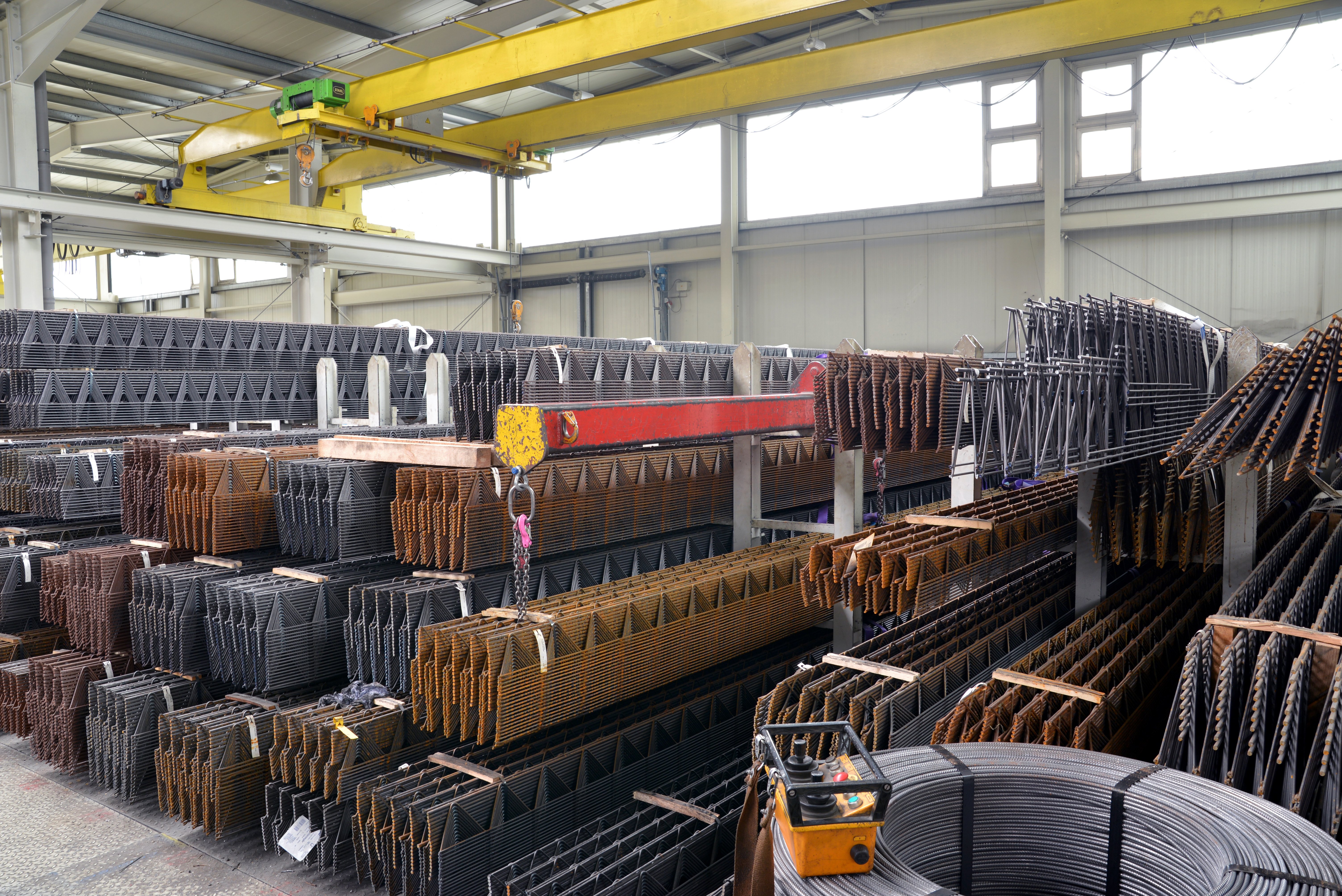
Metal prices also accelerated. Aluminum mill shapes increased 40.5% year over year, while steel mill products rose 22.5% and copper and brass mill shapes climbed 18.4%.

The AGC analysis, compiled by Chief Economist Ken Simonson from Bureau of Labor Statistics producer price and employment cost data, showed that the broader increase was not limited to energy and metals.
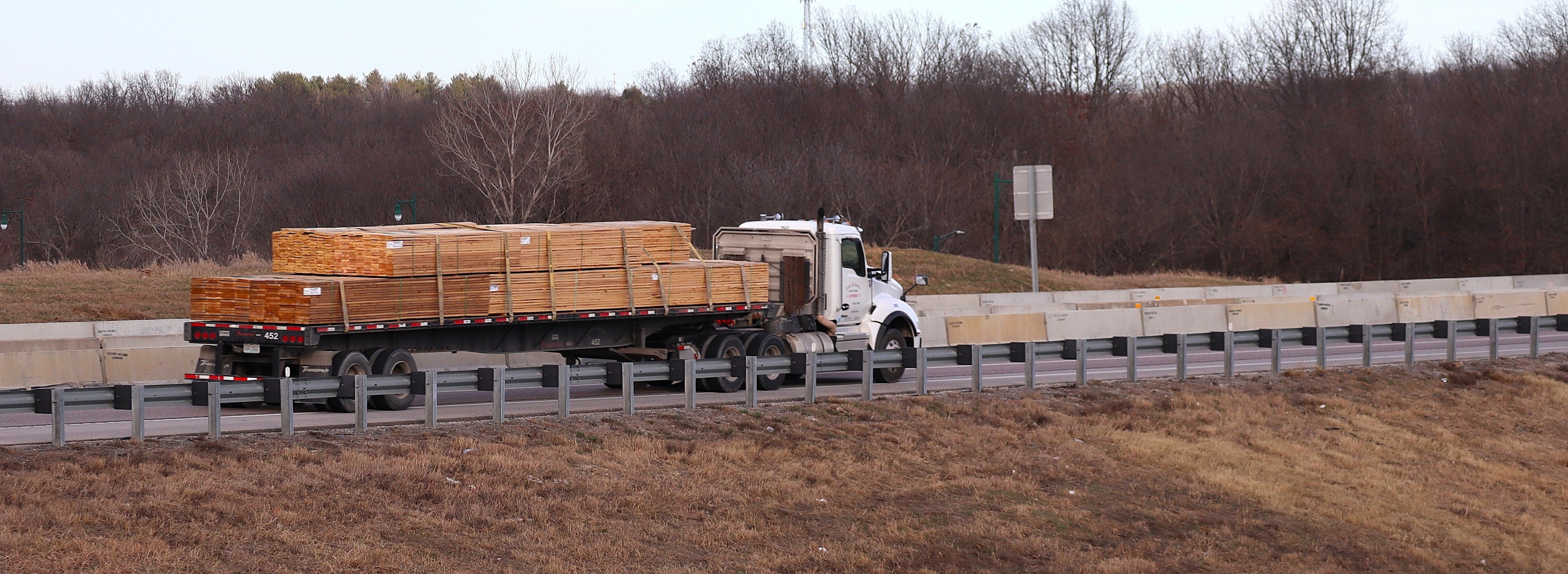
Lumber and plywood prices rose 9.9% year over year, the largest increase since March 2022. Prices for paving mixtures and blocks increased 6.6%, the fastest pace in three years, while construction plastics rose 5%, the largest gain since January 2023.
Labor Costs Add to Contractor Pressure
Construction labor costs also continued to rise faster than overall private-sector wages, Simonson said.
Average hourly earnings for production and nonsupervisory employees, a category that includes most craft workers and nonsupervisory office employees, increased 5.2% from July 2025 to July 2026. That was the largest year-over-year gain for the measure since January 2024, according to the data cited by AGC.
By comparison, average hourly earnings for the overall private sector rose 3.2%, the slowest increase in more than five years.
The combination of higher material and labor costs is making it more difficult for contractors to price work with confidence. Cost volatility can complicate bids, weaken project feasibility, and increase the risk that owners scale back or abandon planned work.
AGC Calls for Tariff Relief and Infrastructure Funding
AGC said lower and more stable tariffs would give contractors greater certainty when estimating project costs and preparing bids. They also urged Congress to complete action on along-term federal surface transportation bill that increases funding for highways and transit.
“Construction firms are being hit with outsized cost increases for a host of materials and also labor,” Simonson said. “Unless there is relief from tariffs or additional funding for highway and transit projects, both private and public construction work face cutbacks.”
Jeffrey D. Shoaf, AGC’s chief executive officer, said both price relief and additional funding are necessary for contractors, project owners, investors, and governments.
Greater policy certainty would allow contractors to plan investments in workers and equipment, while helping public agencies and private owners keep projects moving despite continued cost pressure.
Without relief, AGC said, rising construction prices could lead to fewer projects advancing and more work being deferred or reduced.
The AGC analysis in this article was based on Bureau of Labor Statistics data compiled in the association’s July 2026 producer price tables. The tables were updated Aug. 13, 2026.
Stay Connected
Stay connected with ConstructConnect News for construction industry news and construction market analysis to stay ahead of what’s building next.
About ConstructConnect
At ConstructConnect, our software solutions provide the information that construction professionals need to start every project on a solid foundation. For more than 100 years, our keen insights and market intelligence have empowered commercial firms, building product manufacturers, trade contractors, and architects to make data-driven decisions, streamline preconstruction workflows, and maximize their productivity. Our newest offerings—including our comprehensive, AI-assisted software—help our clients find, bid on, and win more projects.
ConstructConnect operates as a business unit of Roper Technologies (Nasdaq: ROP), a constituent of the Nasdaq 100, S&P 500, and Fortune 1000.
For more information, visit constructconnect.com