KEY POINTS
-
ConstructConnect’s Quarterly U.S. Put-in-Place Construction Forecast Report for Winter 2025 highlights a 3.3% contraction in construction spending this year, revising the total to $2.12 trillion, reflecting near-term challenges in the industry.
-
Despite the current downturn, the report projects robust growth of over 7% in 2026 and 2027, followed by steady 5% annual growth through 2029, resulting in a 5-year CAGR of 4.1%.
-
Improving housing affordability, driven by rising incomes and declining mortgage rates, is expected to fuel a 9.7% increase in residential construction activity in 2026, with an additional 8.7% growth anticipated in 2027
ConstructConnect released its Quarterly U.S. Put-in-Place Construction Forecast Report for Winter 2025. Highlights from the report include a projected 3.3% contraction in the construction industry for 2025, with total spending revised to $2.12 trillion.
Despite these near-term headwinds, the outlook remains optimistic, with growth expected to exceed 7% in both 2026 and 2027 and then continue at a solid 5% annually through 2029. Our strong long-run outlook has elevated our 5-year compounded annual growth rate (CAGR) outlook to 4.1%.
Outlook: Nonresidential and Institutional
-
Nonresidential Building (NRB) is also expected to shift into positive territory by 2026.
-
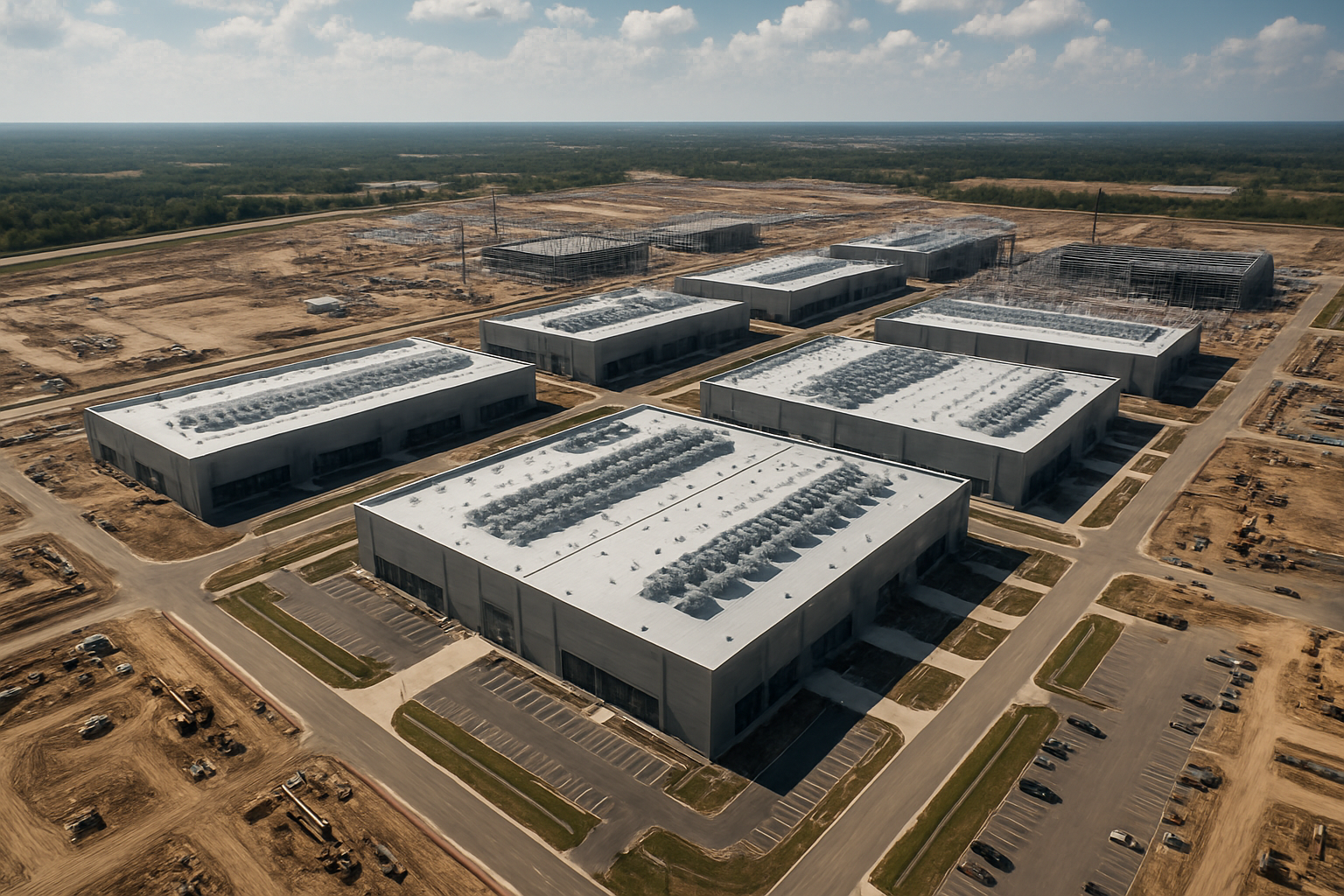
Notably, Office and Data Center spending is set to grow by 8.3%, and Retail and Warehouse activity by 8.1%, pushing total commercial spending to $270.1 billion for a 7.8% gain.
-
Institutional construction will likely see steady growth as well, with spending expected to reach $274.9 billion (up 3.2%) in 2026.
Civil and Sector Outlook
Civil construction is projected to rebound from 2026 onward, boosted by sustained investment in Data Centers and an 8% annual growth in Power and Communications between 2026 and 2029.
However, Sewage/Waste Disposal & Water Supply is forecasted to experience notable declines, resulting in a negative 5-year CAGR of 1.5%.

Private vs. Public Sector Growth
The private sector remains the engine of expansion, with a robust projected 5-year CAGR of 5.8%, while the public sector is now expected to grow by 1.3% over the same period—a marked improvement, though still reliant on late-decade gains.
Residential Construction Outlook
Residential construction is set to benefit from improving affordability as incomes rise and 30-year mortgage rates have declined by almost 1% since early 2025. As a result, we anticipate residential activity to advance by 9.7% in 2026 and 8.7% in 2027, supporting momentum across the broader market.
Stay Connected
Stay connected with ConstructConnect News, your source for construction economy insights, market trends, and project news.
About ConstructConnect
At ConstructConnect, our software solutions provide the information that construction professionals need to start every project on a solid foundation. For more than 100 years, our keen insights and market intelligence have empowered commercial firms, building product manufacturers, trade contractors, and architects to make data-driven decisions, streamline preconstruction workflows, and maximize their productivity. Our newest offerings—including our comprehensive, AI-assisted software—help our clients find, bid on, and win more projects.
ConstructConnect operates as a business unit of Roper Technologies (Nasdaq: ROP), a constituent of the Nasdaq 100, S&P 500, and Fortune 1000.
For more information, visit constructconnect.com




.jpg)