KEY POINTS
-
Geopolitical turmoil, from tariffs to the Iran conflict and Strait of Hormuz blockade, has strained energy supply, driven up fuel costs, and forced U.S.-Canada policymakers to rethink fossil fuel security and investment.
-
North American oil and gas projects, including a partial Keystone revival, Enbridge’s Sunrise Expansion, and LNG buildouts in British Columbia, are attracting fresh capital to reduce reliance on Middle Eastern supply and unlock shale resources.
-
Power-hungry data centers and chip plants are deepening gas demand, while shifting regulatory, indigenous partnership, and OPEC dynamics are clarifying the benefits of a self-sustaining U.S.-Canada fossil fuel posture.
Geopolitics and Energy Security Collide
A truly messy set of circumstances has been buffeting the U.S. and Canadian economies. The military action launched by the U.S. and Israel against Iran has led to a stalemate in which energy shipments by tankers through the Strait of Hormuz have been blockaded, lifting the global price of oil and sending the cost of gasoline skyward everywhere.
While some analysts suggest today’s exorbitant petrol, diesel, petrochemical, and fertilizer prices may be the catalyst to accelerate the transition away from fossil fuels towards renewables, there are others that look to largely self-sustaining oil and natural gas sectors in the U.S. and Canada and envision new waves of capital spending to fully realize that goal.
An especially attractive notion is the severing of any lingering dependency the U.S. may have on Middle Eastern oil.
Pipelines, Gas, and LNG Reclaim Center Stage
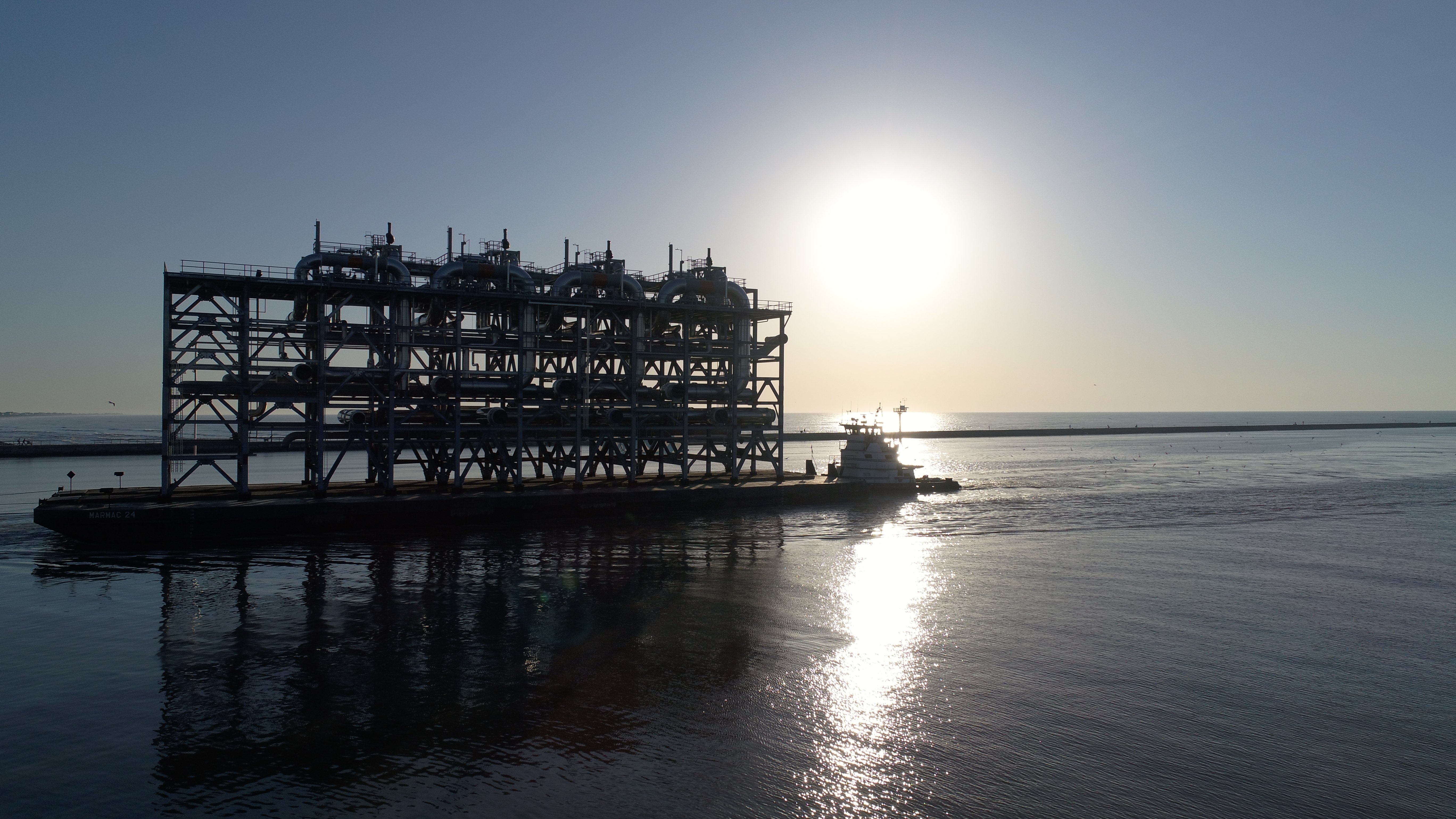
Donald Trump recently signed a presidential permit to partially revive the Biden-nixed Keystone oil pipeline from Canada into the United States. The Canadian infrastructure through Alberta and Saskatchewan is already in place. The extra flowthrough of 550,000 barrels would significantly augment U.S. oil imports from Canada which already account for about two-thirds of America’s total foreign supply.
The Canadian government has approved Enbridge’s $4 billion Sunrise Expansion Program in British Columbia. This will add capacity to the delivery system running from Montney shale deposits in northeastern B.C. and northwestern Alberta to the urban areas in the south of the province and to a connector route, the Northwest Pipeline, into the U.S.
It will also supply input for the Woodfibre liquefied natural gas (LNG) project southwest of Squamish, where construction is currently about two-thirds complete.
Data Centers, Chips, and the New Gas Demand
Also noteworthy is the degree to which fossil fuels have become part of the data center explosive-growth story. To generate all the electricity needed for xAI and Grok research at his Colossus supercomputing site in Memphis Tennessee, Elon Musk plans to supplement local turbine capacity by breaking down, shipping, and reassembling an existing gas-fired power plant from overseas.
Mention should be made that in recent times, obtaining approvals from regulatory agencies and the courts for major fossil fuel investment projects has been rendered exceedingly difficult due to environmental concerns and indigenous land claim issues.
Aboriginal leaders have been assertive in establishing native rights, providing the confidence to assume resource spending partnership roles.
The United Arab Emirates (UAE) is exiting OPEC membership, which will have an as-yet unknown impact on the global oil marketplace. And the benefits to the U.S. and Canada from achieving a self-sustaining posture in oil and gas have never been made clearer.
One thing is for certain. The Strait of Hormuz chokepoint conundrum has brought the important matter of appropriate fossil fuel capital spending back into mainline conversation.
About ConstructConnect
At ConstructConnect, our software solutions provide the information construction professionals need to start every project on a solid foundation. For more than 100 years, our keen insights and market intelligence have empowered commercial firms, building product manufacturers, trade contractors, and architects to make data-driven decisions, streamline preconstruction workflows, and maximize their productivity. Our newest offerings—including our comprehensive, AI-assisted software—help our clients find, bid on, and win more projects.
ConstructConnect operates as a business unit of Roper Technologies (Nasdaq: ROP), a constituent of the Nasdaq 100, S&P 500, and Fortune 1000.
For more information, visit constructconnect.com