KEY POINTS
-
U.S. Steel will invest $1.9 billion in a new facility to make a key input to steel production at its Big River Steel Works in Osceola, Arkansas.
-
The new facility will produce direct reduced iron (DRI), the first DRI plant of its kind in the United States, co-located with an operating steel mill and four electric arc furnaces (EAFs).
-
Construction demand is expected to be significant, as U.S. Steel expects about 2,000 construction jobs at peak, alongside 200 new full-time Big River Steel Works roles, and 35 embedded contractor positions once the facility is operating.
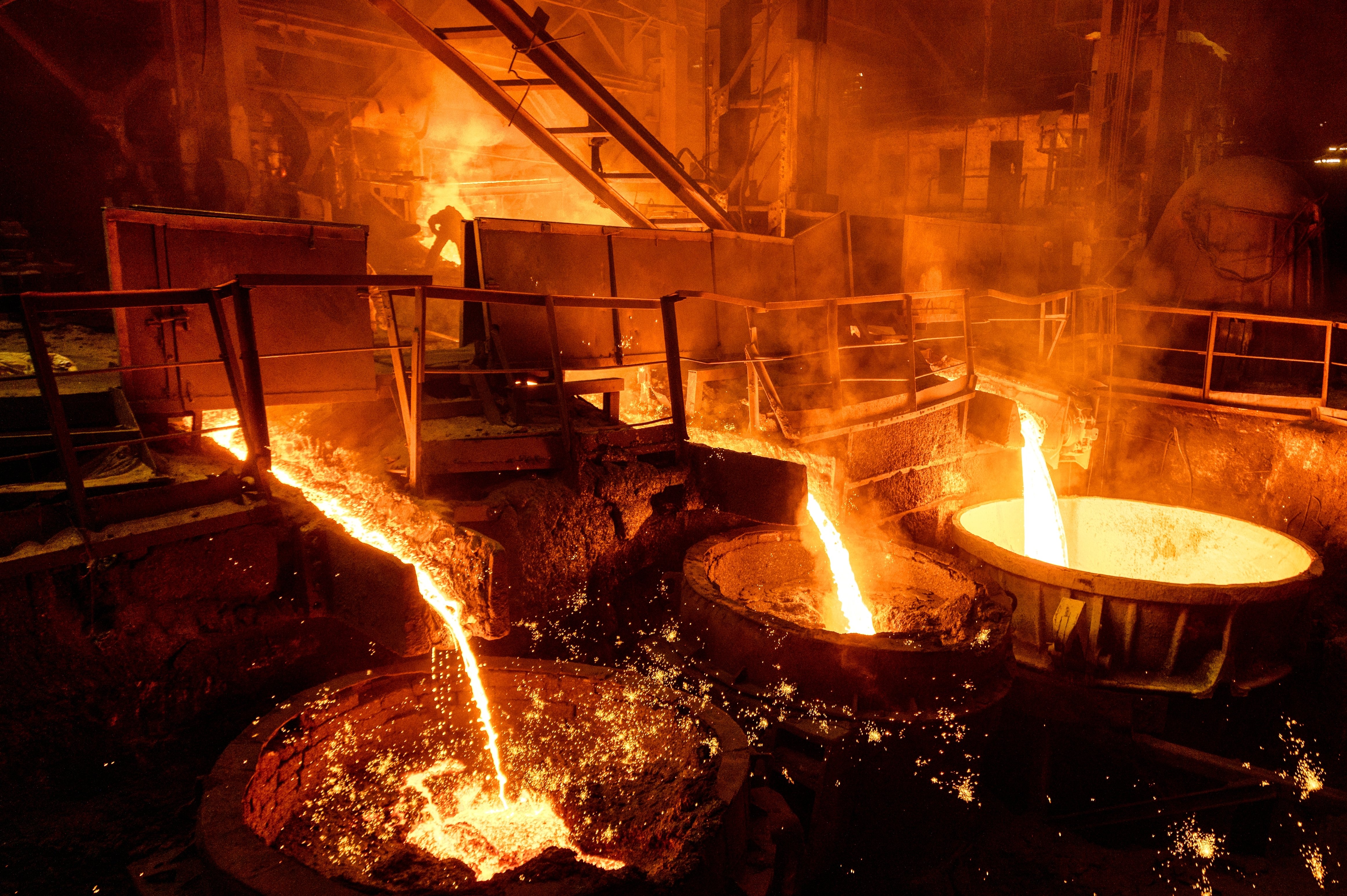
U.S. Steel will invest $1.9 billion in a new direct reduced iron (DRI) facility at its Big River Steel Works in Osceola, Arkansas. The facility, the company said in an April 29, 2026, statement, would be the first DRI plant of its kind in the United States, co-located with an operating steel mill and four electric arc furnaces (EAFs).
The project vertically links Minnesota iron ore mining, DRI production, and EAF steelmaking in Arkansas, tightening a “mined, melted, made in America” supply chain and reinforcing U.S. Steel’s transition toward modern, efficient, lower‑emissions steelmaking.
What is Direct Reduced Iron, Why Do Steelmakers Need it
Direct reduced iron (DRI) is solid iron made by removing oxygen from iron ore without melting it, and steelmakers use it as a very pure, high-iron feedstock for electric arc furnaces, allowing them to stretch lower-quality scrap and still make cleaner, higher-grade steel with less energy than a traditional blast-furnace route.
The steelmaking input called direct reduced iron (DRI), or “sponge iron,” typically contains iron content above 67%. It is becoming an essential raw material for low-emission steelmaking due to its high efficiency and low impurity, according to manufacturers.
[Read more The Economics of Steel in Construction: Materials Management to Keep from Getting Bent Out of Shape]
First of its Kind Plant Expected to Bring Construction Jobs
Construction demand will be significant. In a statement, U.S. Steel indicated it expects about 2,000 construction jobs at peak, alongside 200 new full-time Big River Steel Works roles and 35 embedded contractor positions once the facility is operating.
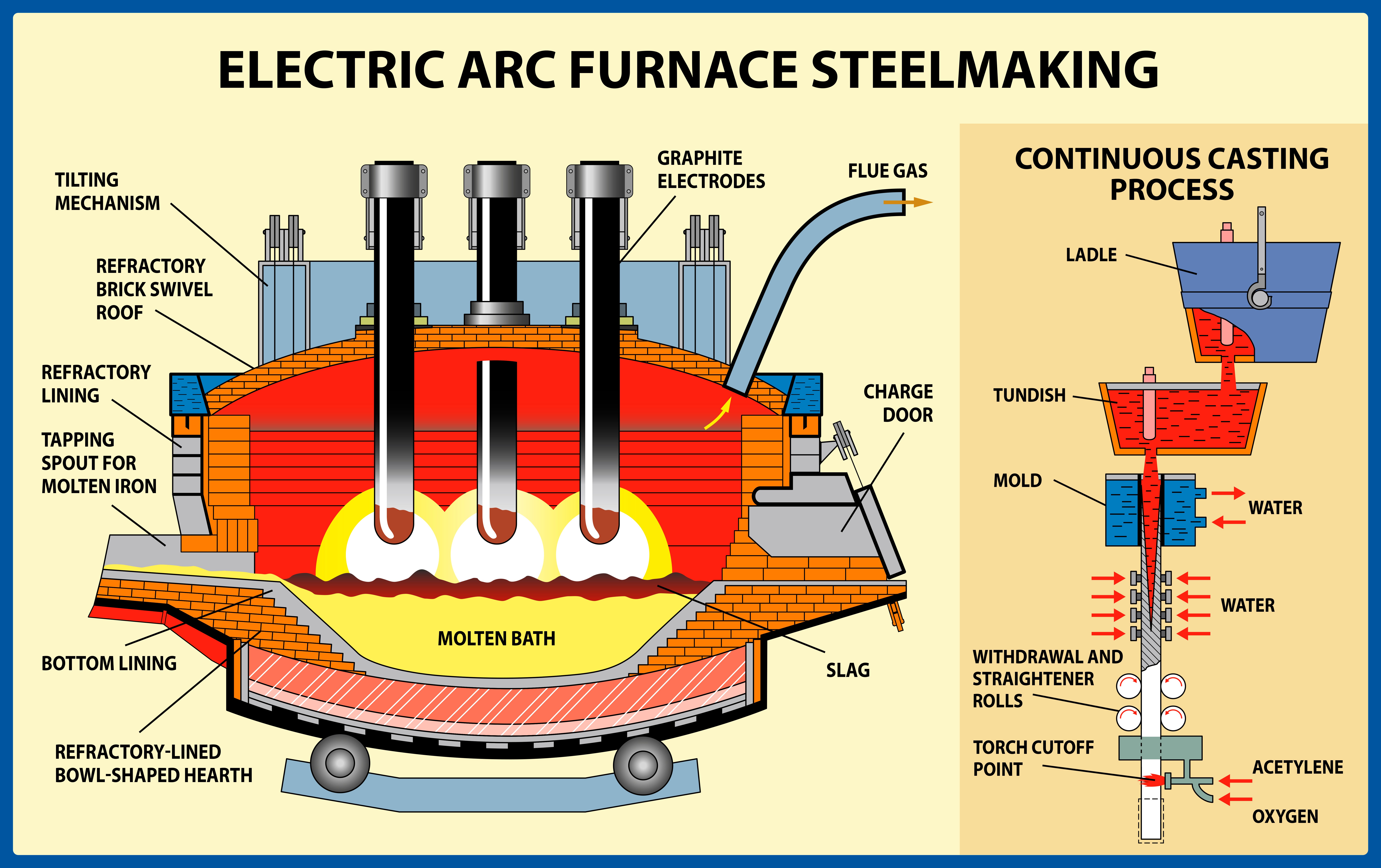
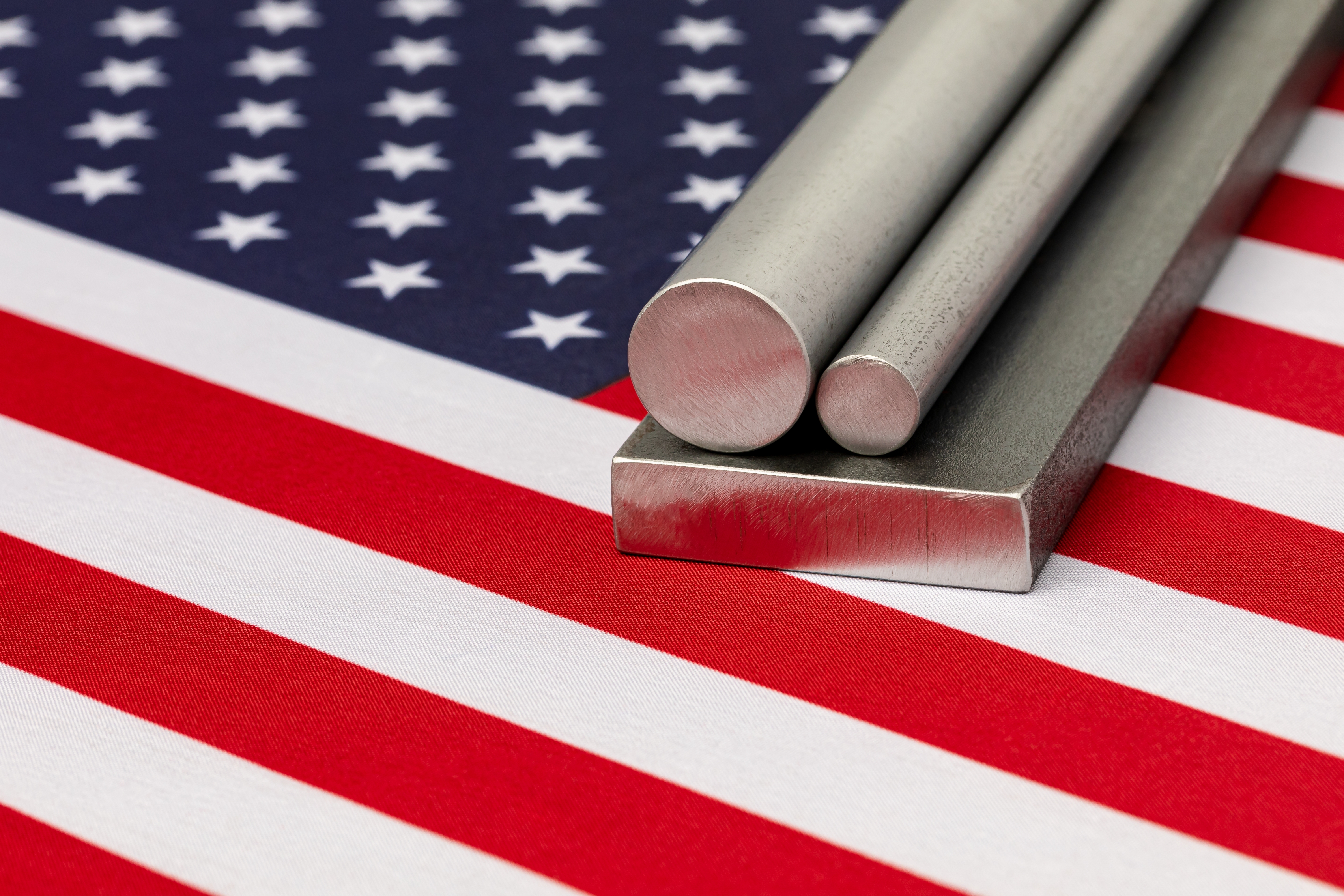
According to the Steel Manufacturers Association, electric arc furnace (EAF) mills now produce more than 70% of all American steel, compared with 28% of global steel output, while using technology that emits about 75% less CO₂ than traditional blast-furnace routes. These scrap-based EAF operations turn recycled material into new steel that is 100% recyclable again and again. Image: Shutterstock
U.S. Steel highlights in this video how its Arkansas operations are expanding local jobs and training, supporting hundreds of regional suppliers, and investing in modern, lower-emissions steelmaking. The company and its partners frame these projects as long-term drivers of economic growth and community resilience across the state. Video: U.S. Steel
Integrated, Domestic Steelmaking Corridor
The DRI plant is the latest step in U.S. Steel’s push to blend legacy integrated assets with electric arc furnace production. The facility will consume direct reduced-grade pellets from U.S. Steel’s Keetac mine in Minnesota, tying iron ore extraction, DRI production, and finished steel into a single, vertically integrated supply chain.
By locating DRI production on the same Osceola campus, where the more than $3 billion Big River 2 expansion is now in full production alongside four EAFs, U.S. Steel eliminates the need to ship DRI to the mill and locks in a competitive sourcing advantage for its feedstock. Company leadership frames the strategy as a “mined, melted, made in America” pathway from Minnesota ore to Arkansas steel.
President and CEO David B. Burritt credited a partnership with Nippon Steel for accelerating the investment timeline by several years, positioning the combined platform for long‑term competitiveness in flat‑rolled markets.
What it Means for Construction
For the regional construction market, U.S. Steel projects roughly 2,000 construction jobs at peak build‑out, on top of about 200 full‑time Big River Steel Works positions and 35 embedded contractor roles once the DRI plant is in operation.
Heavy industrial work at this scale typically includes:
-
Civil and structural packages for foundations, process structures, and material-handling systems.
-
Mechanical installations, including steelmaking modules, conveyors, utilities, and ancillary equipment.
-
High-capacity electrical and controls work to integrate the new facility with existing EAF operations.
Strategic Shift Toward Lower‑Emissions Steel
The project aligns with U.S. Steel’s broader transition toward “next‑generation steelmaking” and a 2050 net‑zero greenhouse gas target, combining iron ore mining, integrated mills, and electric arc furnace "mini‑mills" across the U.S. and Central Europe.
Stay Connected
Stay connected with ConstructConnect News for construction industry news and construction market analysis to stay ahead of what’s building next.
About ConstructConnect
At ConstructConnect, our software solutions provide the information that construction professionals need to start every project on a solid foundation. For more than 100 years, our keen insights and market intelligence have empowered commercial firms, building product manufacturers, trade contractors, and architects to make data-driven decisions, streamline preconstruction workflows, and maximize their productivity. Our newest offerings—including our comprehensive, AI-assisted software—help our clients find, bid on, and win more projects.
ConstructConnect operates as a business unit of Roper Technologies (Nasdaq: ROP), a constituent of the Nasdaq 100, S&P 500, and Fortune 1000.
For more information, visit constructconnect.com