KEY POINTS
-
Elon Musk is considering a Grimes County site near the Gibbons Creek Reservoir for Terafab, a semiconductor project he announced in March.
-
The initial phases would cost $55 billion, with the full buildout reaching as much as $119 billion, according to Grimes County.
-
A June 3, 2026, public hearing on a proposed property tax abatement is the first public local-government decision point now on the calendar.
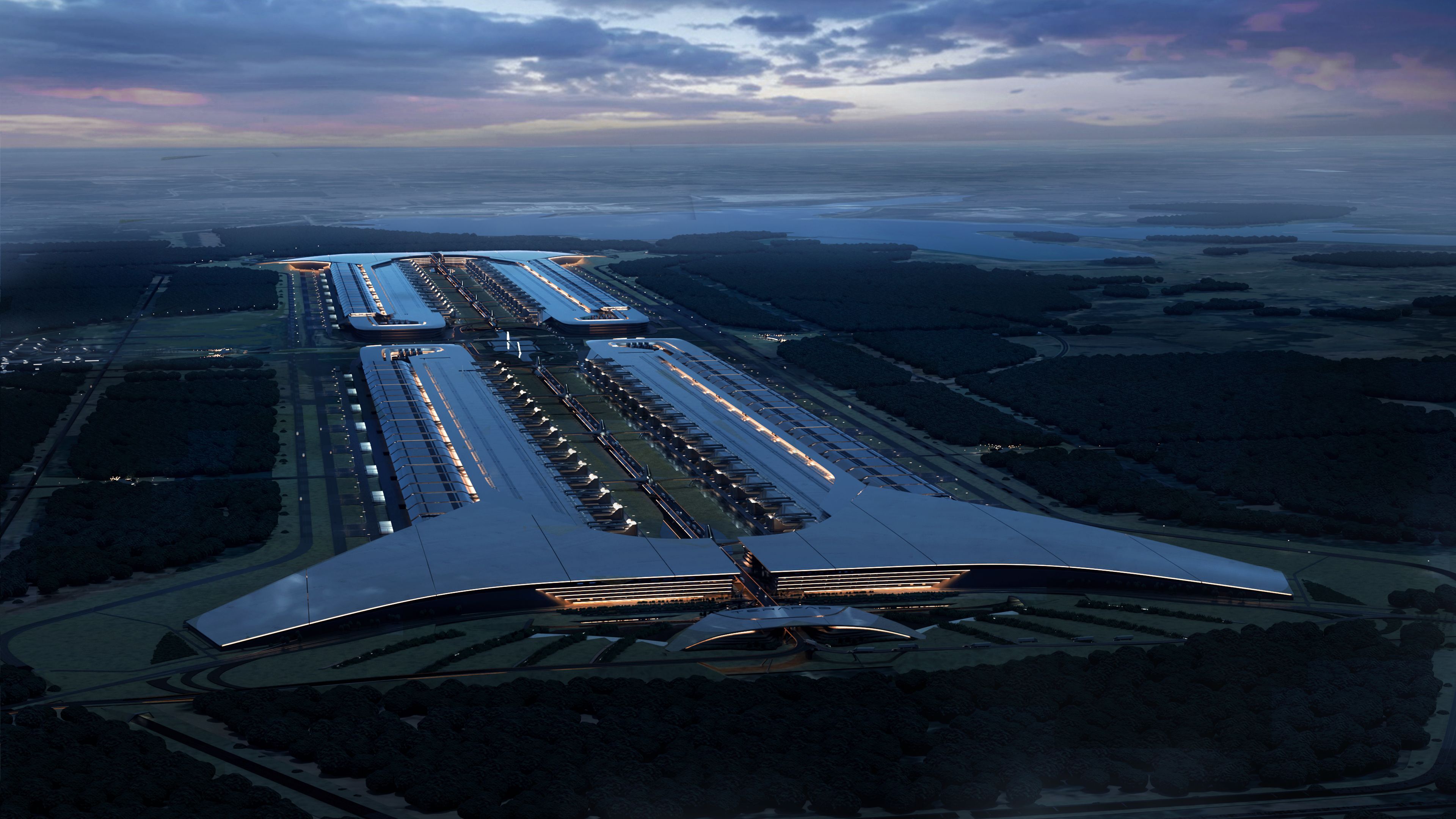
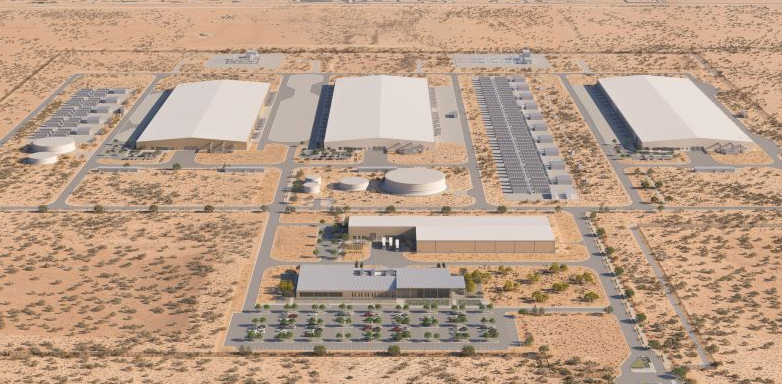
Elon Musk is considering a Grimes County site near the Gibbons Creek Reservoir, roughly 15 to 20 miles east of Texas A&M University, as a candidate location for Terafab, the chip-manufacturing project he announced in March, the Houston Chronicle reported.
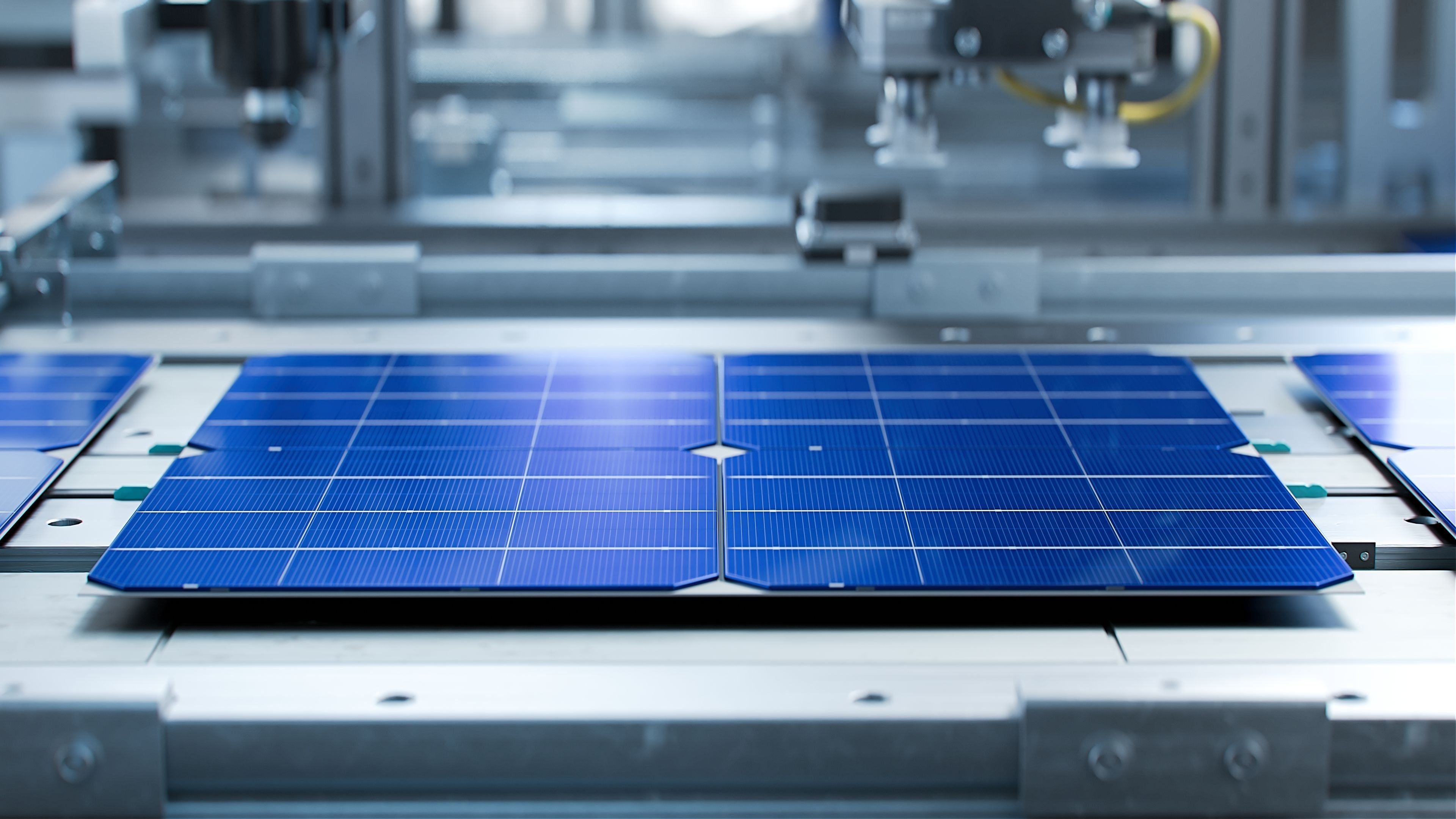
Terafab aims to bring together the major stages of semiconductor production in one place, including chip fabrication, memory, advanced packaging, and related manufacturing processes needed to produce high-performance chips at scale.
Site, Cost, and Hearing Timeline
The initial phases would cost $55 billion, with the full buildout reaching as much as $119 billion, according to Grimes County, the Chronicle reported. The county’s commissioners court is scheduled to hold a June 3 public hearing to consider a property tax abatement agreement tied to the project.
The Chronicle reported that Musk has described Terafab as a complex designed to support Tesla, SpaceX and xAI, with chipmaking capacity ultimately aimed at those companies’ automotive, AI and space-related needs.
Supply Chain at Core of Chip Strategy
CNBC reported that Intel joined the Terafab project in April to help design, fabricate, and package ultra-high-performance chips at scale. During Tesla’s first-quarter earnings call last month, Musk said Tesla plans to use Intel’s forthcoming 14A process to produce chips at the facility.
The network cited analyst Ben Bajarin of Creative Strategies, who said Musk is pursuing a 15-year strategy aimed at gaining more control over chip supply for his companies. CNBC said Bajarin pointed to tight global manufacturing capacity, especially at Taiwan Semiconductor Manufacturing, as a reason vertical integration could matter more for AI and automotive chip demand.
Musk has said chip suppliers may not be able to produce enough hardware to meet Tesla’s long-term needs and that Terafab would help protect the company against geopolitical risk.

What to Watch
If Terafab moves forward in Grimes County, it could create a combination of heavy civil, large-scale building systems, and dedicated power infrastructure on one project.
The next key signal is the June 3 Grimes County hearing on the proposed tax abatement. After that, the major questions are whether Grimes County is the final site, how the power plan is structured, and whether Texas puts state incentives behind the project.
Stay Connected
Stay connected with ConstructConnect News for construction industry news and construction market analysis to stay ahead of what’s building next.
About ConstructConnect
At ConstructConnect, our software solutions provide the information that construction professionals need to start every project on a solid foundation. For more than 100 years, our keen insights and market intelligence have empowered commercial firms, building product manufacturers, trade contractors, and architects to make data-driven decisions, streamline preconstruction workflows, and maximize their productivity. Our newest offerings—including our comprehensive, AI-assisted software—help our clients find, bid on, and win more projects.
ConstructConnect operates as a business unit of Roper Technologies (Nasdaq: ROP), a constituent of the Nasdaq 100, S&P 500, and Fortune 1000.
For more information, visit constructconnect.com