KEY POINTS
-
OpenAI said it will invest $20 billion to launch Project Camellia in Effingham County, Ga., making the site one of the largest AI infrastructure projects now moving toward development in the Southeast.
-
The project’s 3.2-gigawatt power requirement, to be delivered in phases from 2028 to 2032, points to a multi-year construction cycle tied as much to grid and utility work as to the data center buildings themselves.
-
OpenAI will act as lead designer and developer, which could reshape contractor demand, scheduling pressure, and procurement strategies.
OpenAI said that it will invest $20 billion to launch Project Camellia in Effingham County, Ga., making the site one of the largest AI infrastructure projects now moving toward development in the Southeast.
The new project, called Project Camellia, is the first known instance in the US where OpenAI shifts at scale from primarily leasing compute capacity to taking a more direct role in building it.
The Wall Street Journal reported July 22, 2026, that OpenAI has raised its projected spending on computing power to around $750 billion through 2030, up from about $600 billion earlier this year.
OpenAI, and its electric-power partner, Georgia Power, released basic project details, and addressed some of the mounting opposition to data center developments in separate public statements.
A Data Center Project with Utility-Scale Power
The project site is in the Savannah Gateway Industrial Hub, an industrially zoned development area about 45 minutes outside of Savannah. The Savannah Gateway Industrial Hub is a 2,600-acre global logistics campus developed by The Broe Group, according to Effingham County administrators. OpenAI expects the data center to generate less traffic than a warehouse project on the same site.
OpenAI said that it will invest $20 billion to launch Project Camellia there, making the site one of the largest AI infrastructure projects now moving toward development in the Southeast.
It has contracted for with Georgia Power for 3.2 gigawatts of electricity. In a July 22 statement, OpenAI indicated that power would be delivered in phases between 2028 and 2032.
Georgia Power said OpenAI’s facility is expected to need about 3,200 megawatts under a 25-year agreement, putting the project in a class closer to utility-scale industrial development. In its own July 22 statement, the Georgia power utility said OpenAI will also provide up to 1,000 megawatts of flexible demand response, allowing power use to be reduced during periods of high demand.
That arrangement ties together electric transmission, generation, and grid-reliability planning.
The scale of nonresidential megaprojects (a price of $1 billion and up), such as this one from OpenAI, and phased delivery usually points to a long runway of site preparation, utility upgrades, power-distribution work, and staged facility construction rather than a single one-time building start.

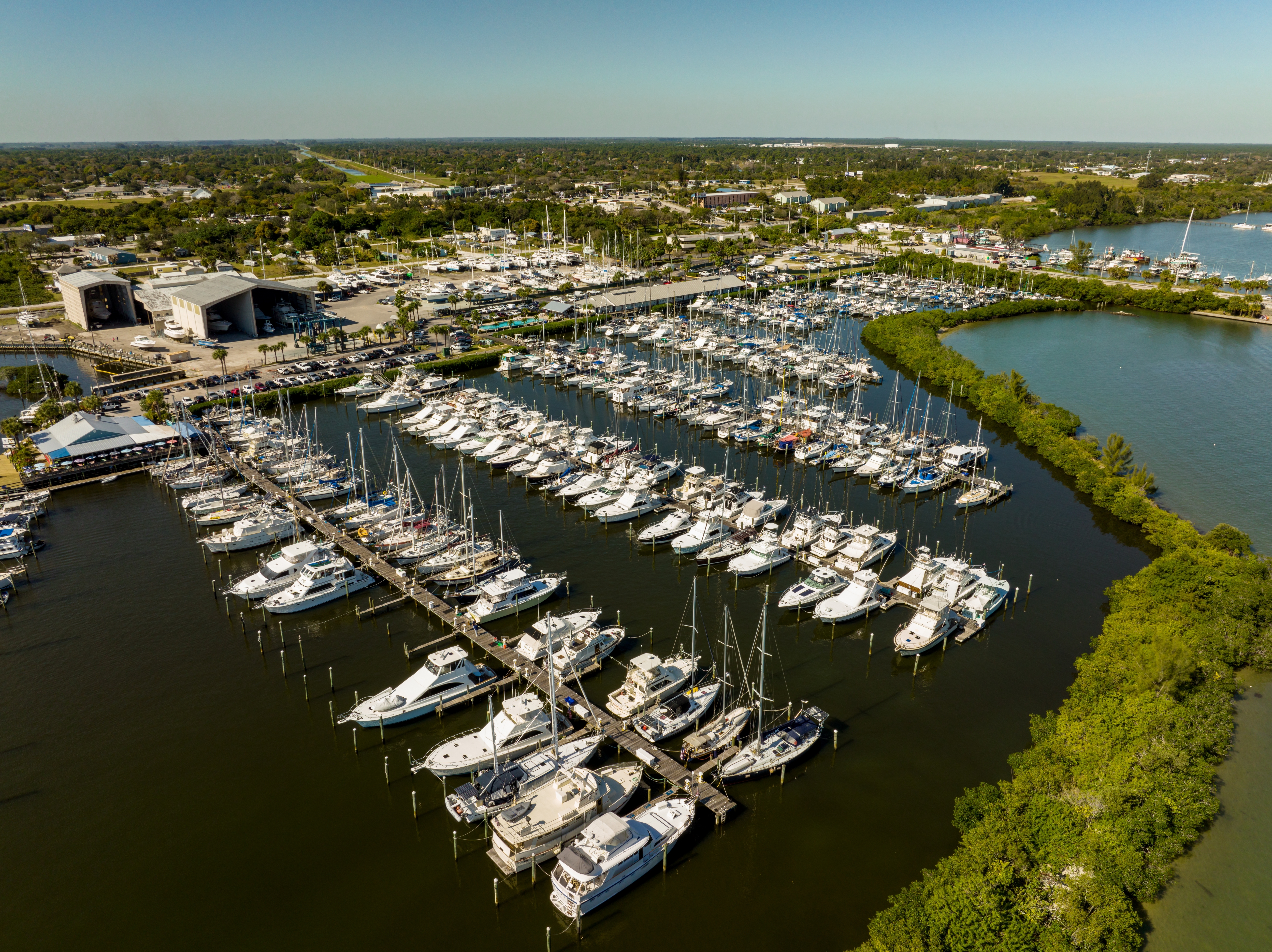
A July 2025 image of the Savannah Gateway Industrial Hub, an industrially zoned development area about 45 minutes outside of Savannah, Georgia. OpenAI said that it will invest $20 billion to launch Project Camellia there, making the site one of the largest AI infrastructure projects now moving toward development in the Southeast. Image: Savannah Gateway Industrial Hub
A data center is typically measured by its continuous power capacity, that is the amount of electricity it can safely draw and distribute around the clock, rather than by the size of the building. One megawatt (MW) equals 1 million watts and can generally power about 800 to 1,000 homes.
Data center projects of this scale depend not only on vertical construction, but on substations, interconnections, backup systems, electrical equipment procurement, and utility sequencing.
OpenAI Now Serving as Lead Designer and Developer
OpenAI said Project Camellia is the first site in which it is serving as lead designer and developer, rather than renting chips from cloud providers such as Oracle or Amazon Web Services.
That is a notable shift because owner control often can impact everything from design standardization to procurement timing to how schedules are managed.
The WSJ also reported that OpenAI hired Brent Mayo, who previously helped lead xAI’s Colossus supercomputer build-out in Memphis, as head of data-center build and delivery. His role is expected to include keeping cloud-partner projects on schedule as well as working on the Georgia campus.
That personnel move reinforces a broader point, in that AI developers are not treating data center capacity as strictly passive leases.
Building internal teams around execution could add intensity to the competition for experienced mission-critical contractors, electrical trades, engineering talent, and suppliers of long-lead equipment.
What The Georgia Project Could Mean for Contractors
OpenAI said it is still selecting a partner to build and operate the Effingham County site, leaving a major package of work still to be assigned. The company also said significant work remains on infrastructure, project phasing, design, financing and the operating model.
Project Camellia is still in its early stage, yet projects that reserve land, lock in multi-gigawatt power and begin formal community engagement often create a long tail of planning, civil work, utility coordination, and specialized building activity.
OpenAI said it intends to prioritize local contractors and businesses while creating thousands of construction jobs and permanent on-site positions over the life of the project.
The company also said it plans to use a closed-loop water system designed to keep ongoing water use low.

Signals for AI Construction Demand
The Georgia project stands out on its own, but it also points to continued pressure on the AI infrastructure chain from the data center campuses, power delivery, and heavy electrical buildouts, to cooling systems and the skilled labor needed to assemble them.
OpenAI already has major compute commitments elsewhere. The WSJ reported the company has contracted with Oracle for 6 gigawatts of data center capacity, expanded a multiyear Amazon Web Services deal to $138 billion over eight years, and previously committed additional cloud spending to Microsoft Azure.
Stay Connected
Stay connected with ConstructConnect News for construction industry news and construction market analysis to stay ahead of what’s building next.
About ConstructConnect
At ConstructConnect, our software solutions provide the information that construction professionals need to start every project on a solid foundation. For more than 100 years, our keen insights and market intelligence have empowered commercial firms, building product manufacturers, trade contractors, and architects to make data-driven decisions, streamline preconstruction workflows, and maximize their productivity. Our newest offerings—including our comprehensive, AI-assisted software—help our clients find, bid on, and win more projects.
ConstructConnect operates as a business unit of Roper Technologies (Nasdaq: ROP), a constituent of the Nasdaq 100, S&P 500, and Fortune 1000.
For more information, visit constructconnect.com