KEY POINTS
-
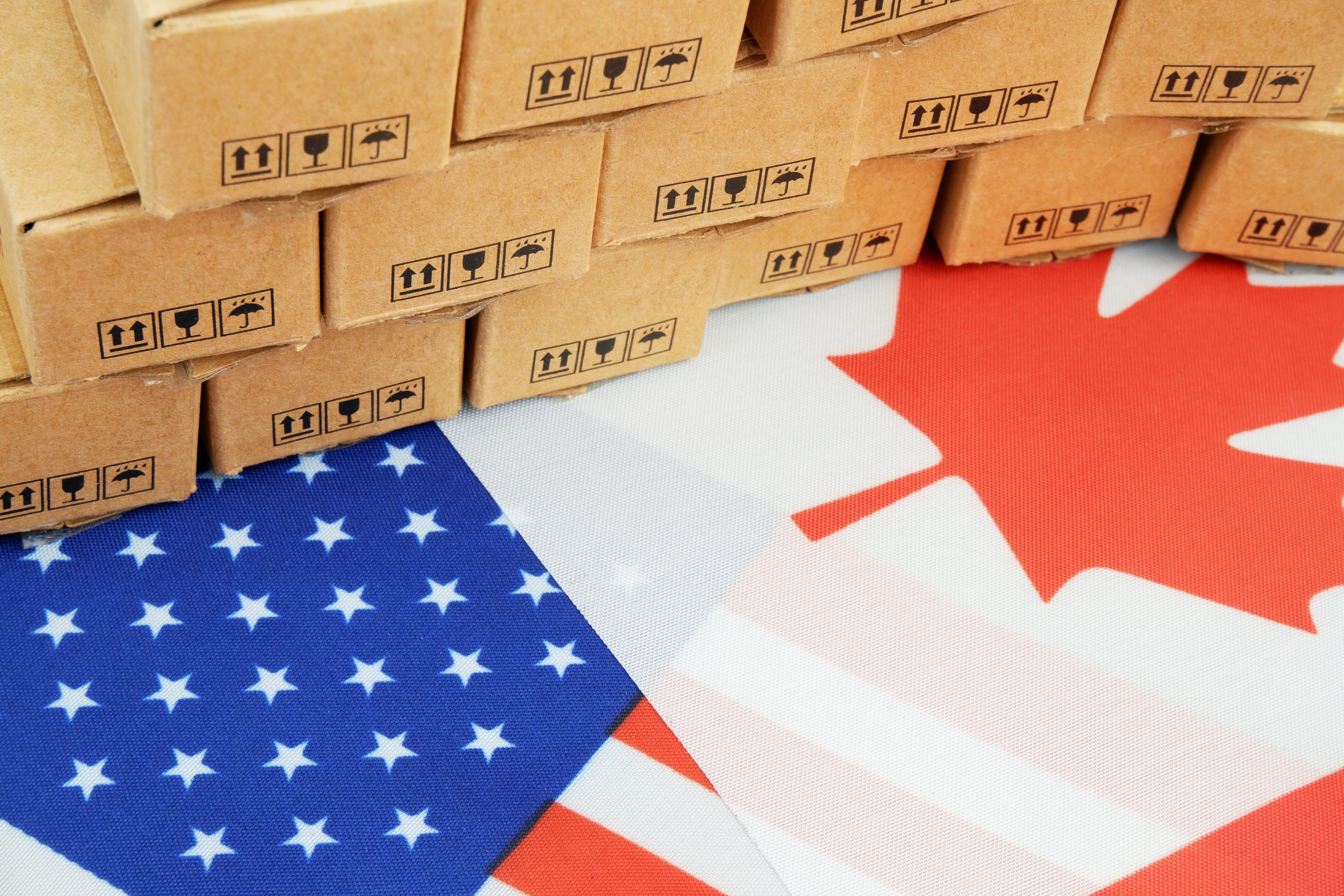
New 50% tariffs on some Canadian goods, including wine, hockey sticks and cement, are delayed until Aug. 22.
-
The delay follows Canada’s commitment to address the trade measures while talks continue.
-
Federal agencies must pause tariff collection, and the tariff schedule could change.
The United States is delaying the start of additional duties on certain Canadian imports by three days as trade negotiations with Canada continue. The White House said yesterday that Canadian officials had expressed a commitment to remove the measures and that the status of negotiations supported a temporary suspension of the duties.
The duties, initially scheduled to take effect Aug. 19, will now apply at 12:01 a.m. Eastern time Aug. 22, according to an Aug. 18 presidential proclamation. The action covers duties imposed in July proclamations involving Canadian trade measures affecting U.S. alcoholic beverages, dairy products, and motor vehicles and auto parts.
Tariff Delay Extends Negotiating Window
The Aug. 18 White House proclamation does not impose new duties. It delays by three days the 50% additional duties established in July.
Under the July actions, President Trump imposed an additional 50% tariff on certain Canadian goods, including cement, wine and hockey sticks, according to a White House fact sheet. The White House said the measures responded to Canada’s “discriminatory treatment of American products.” The tariffs covered about $20 billion in Canadian goods.
“Over the past year and a half, only two countries have chosen to retaliate against President Trump’s tariffs rather than negotiate a deal with the United States: the People’s Republic of China and Canada,” the July 20 White House fact sheet said.

Working Toward a Final Agreement
Canada’s reported commitment to remove the measures and the three-day suspension could reduce the immediate risk of the dispute widening into a broader trade conflict, although the proclamation does not guarantee a final agreement.
The order directs federal agencies to suspend collection of the additional duties until the revised effective date. It also authorizes U.S. Customs and Border Protection, in consultation with other federal agencies, to determine whether changes are needed to the Harmonized Tariff Schedule of the United States, the system used to classify imported goods and determine their duty rates.
Stay Connected
Stay connected with ConstructConnect News for construction industry news and construction market analysis to stay ahead of what’s building next.
About ConstructConnect
At ConstructConnect, our software solutions provide the information that construction professionals need to start every project on a solid foundation. For more than 100 years, our keen insights and market intelligence have empowered commercial firms, building product manufacturers, trade contractors, and architects to make data-driven decisions, streamline preconstruction workflows, and maximize their productivity. Our newest offerings—including our comprehensive, AI-assisted software—help our clients find, bid on, and win more projects.
ConstructConnect operates as a business unit of Roper Technologies (Nasdaq: ROP), a constituent of the Nasdaq 100, S&P 500, and Fortune 1000.
For more information, visit constructconnect.com