KEY POINTS
-
May’s Consumer Price Index increased at its highest annual level in over three years.
-
Energy inflation led the increase amid continued trade disruptions in the Middle East.
-
Continued high inflation could lead the Federal Reserve to hold off on cutting interest rates.
The Consumer Price Index (CPI), a key gauge of consumer inflation, rose 4.2% over the last twelve months through May 2026. The move marks the highest annual level since April 2023, according to the Bureau of Labor Statistics report today.
That acceleration carries real weight for the construction industry, where rising inflation feeds into material costs and project budgets.
Energy Drives the Rise in Inflation
Energy prices led the May increase in the CPI, climbing 3.9% and accounting for more than 60% of the index's total rise. The gain comes amid the ongoing conflict with Iran, which has disrupted trade routes across the Middle East since early this year.
Higher energy costs feed directly into construction through fuel. Diesel prices have risen 51.3% over the past year, according to AAA data, raising the cost of fuel-intensive jobsite operations and material transportation. Those increases could strain owner and developer budgets.
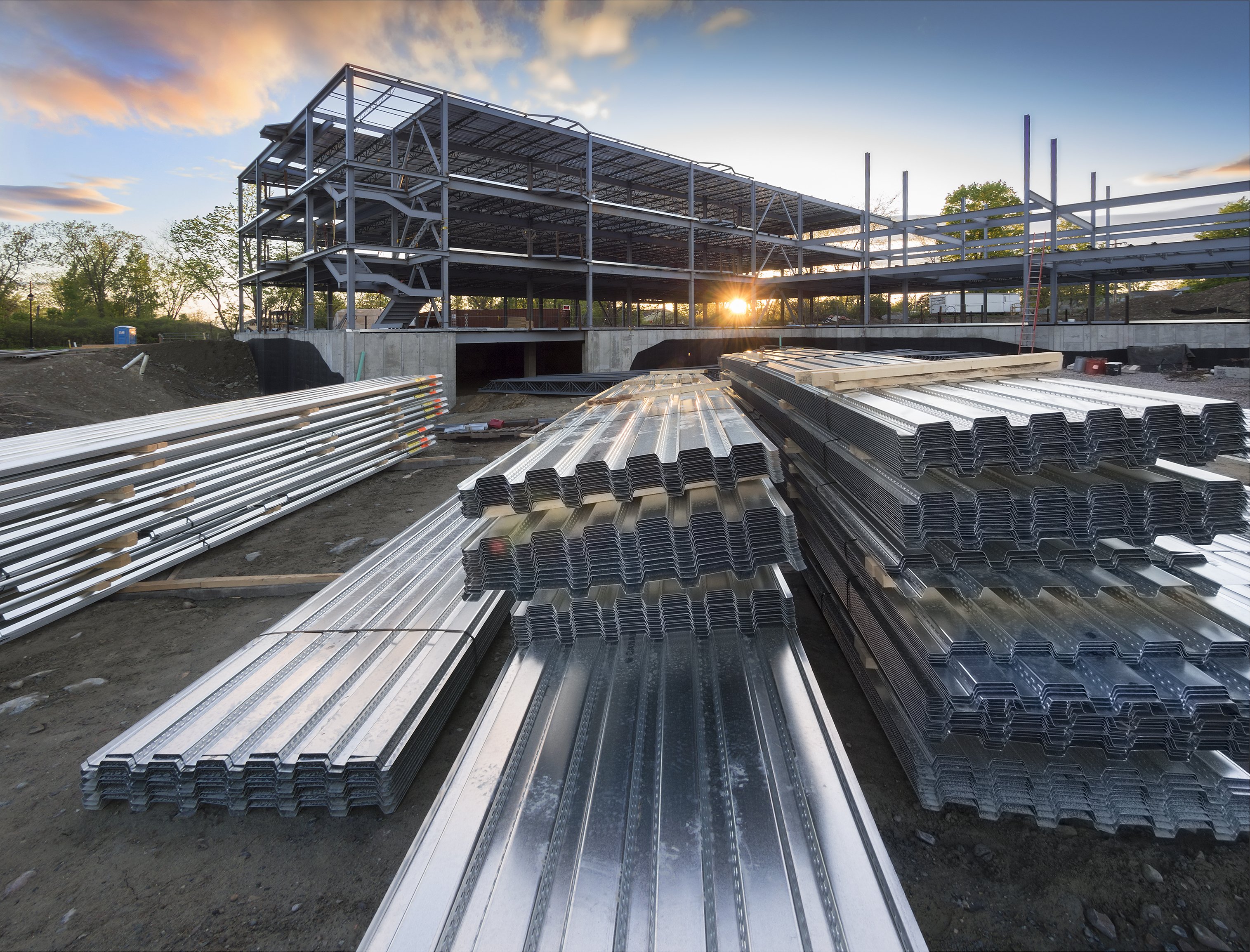
Rising energy prices also lift the cost of materials that are energy-intensive to produce, such as cement and steel. The Producer Price Index for construction materials has already climbed 6.7%, reaching its highest level on record.
Interest Rate Implications
A persistent inflation reading also lowers the odds of a near-term rate cut from the Federal Reserve. With the Fed unlikely to ease, borrowing costs could hold at current levels, a direct concern for financing heavy nonresidential construction.
The next scheduled meeting of the Federal Open Market Committee is June 16 to 17.
Why it Matters for Construction
May's CPI reading is a red flag for the construction industry, with inflation climbing to its highest level in more than three years.
Energy costs drove much of that increase as trade routes through the Middle East remain disrupted. Those higher energy prices have arrived alongside a marked rise in construction material prices over the past year.
The elevated inflation figures may push the Federal Reserve to hold interest rates steady rather than deliver any relief this year.
That leaves construction professionals facing rising input costs and continued elevated financing, potentially shrinking margins and raising project stress.
Stay Connected
Stay connected with ConstructConnect News for construction industry news and construction market analysis to stay ahead of what’s building next.
About ConstructConnect
At ConstructConnect, our software solutions provide the information that construction professionals need to start every project on a solid foundation. For more than 100 years, our keen insights and market intelligence have empowered commercial firms, building product manufacturers, trade contractors, and architects to make data-driven decisions, streamline preconstruction workflows, and maximize their productivity. Our newest offerings—including our comprehensive, AI-assisted software—help our clients find, bid on, and win more projects.
ConstructConnect operates as a business unit of Roper Technologies (Nasdaq: ROP), a constituent of the Nasdaq 100, S&P 500, and Fortune 1000.
For more information, visit constructconnect.com