KEY POINTS
-
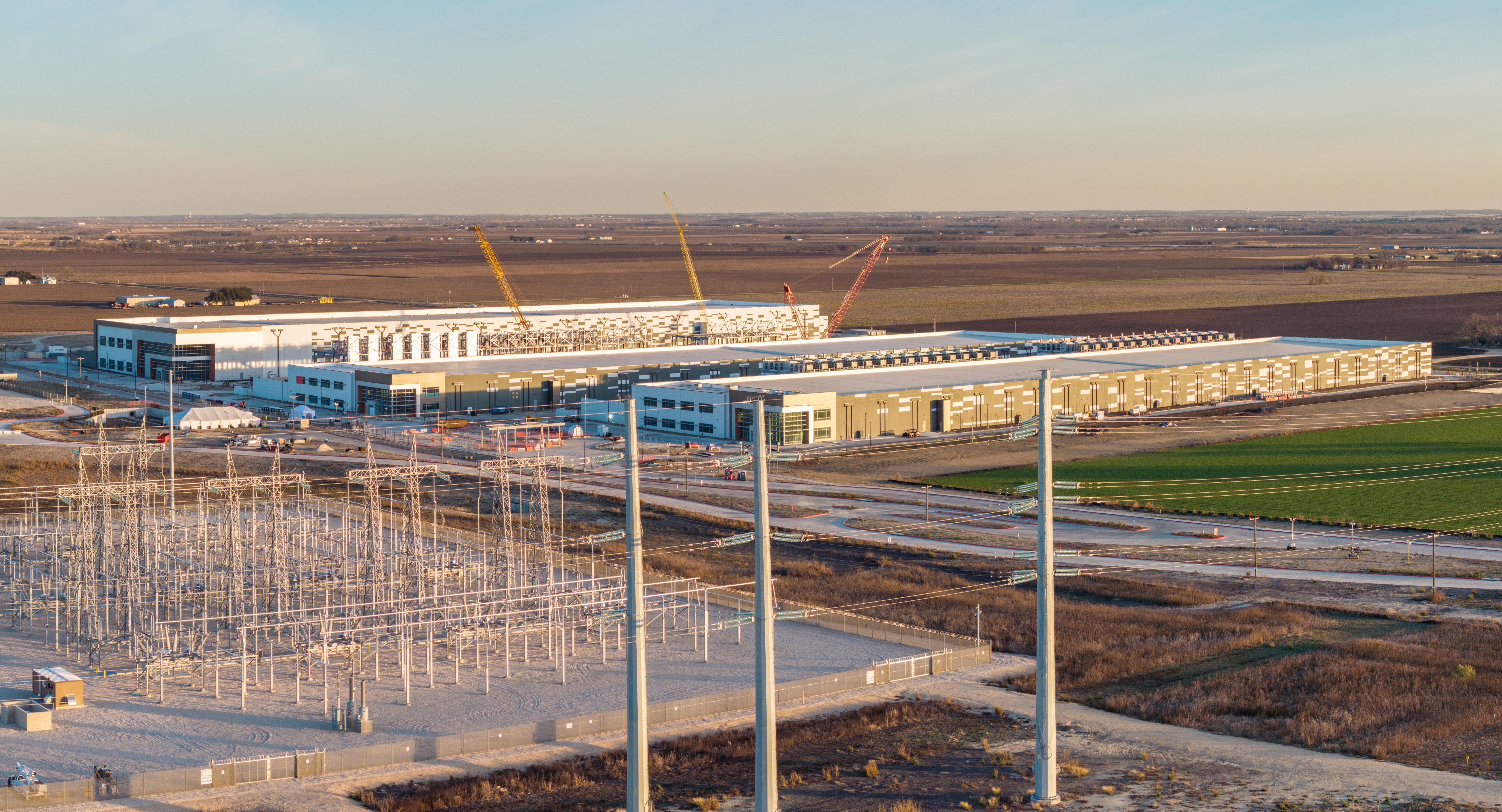
A Pew Research Center analysis found that while most of the nation's 3,000-plus operational data centers sit in urban areas, the majority of the roughly 1,500 facilities now in various stages of development are planned for rural communities.
-
The share of Americans living within five miles of an operational data center currently stands at 38%. That figure rises to 42% when planned facilities are included.
-
Public awareness and opinion about data centers remain relatively unchanged. People living near data centers, Pew researchers found, hold broadly similar views to the general population on jobs, energy use, and environmental effects.
The next wave of U.S. data center construction is not heading to metro corridors. It is heading to rural America according to a new analysis from the Pew Research Center.
Pew researchers found that while most of the nation's 3,000-plus operational data centers sit in urban areas, the majority of the roughly 1,500 facilities now in various stages of development are planned for rural communities.
The numbers reveal that 67% of planned data centers are slated for rural locations, compared to just 13% of existing ones. And 39% of planned projects are targeting counties that currently have no data center presence at all.
Dollar Figures Behind the Trend
The Pew analysis counts facilities. ConstructConnect's April 2026 Data Center Report, prepared by Chief Economist Michael Guckes and Associate Economist Devin Bell, quantifies the construction spending behind them.
Through February 2026, data center starts spending reached $36.9 billion year-to-date, dwarfing the $1.4 billion recorded over the same period in 2025. That spending has been concentrated in a select group of states led by Illinois, Ohio, North Carolina, and Virginia.
That geographic spread that aligns with Pew's finding that the South and Midwest are absorbing the majority of planned projects.
What Rural Construction Means in Practice
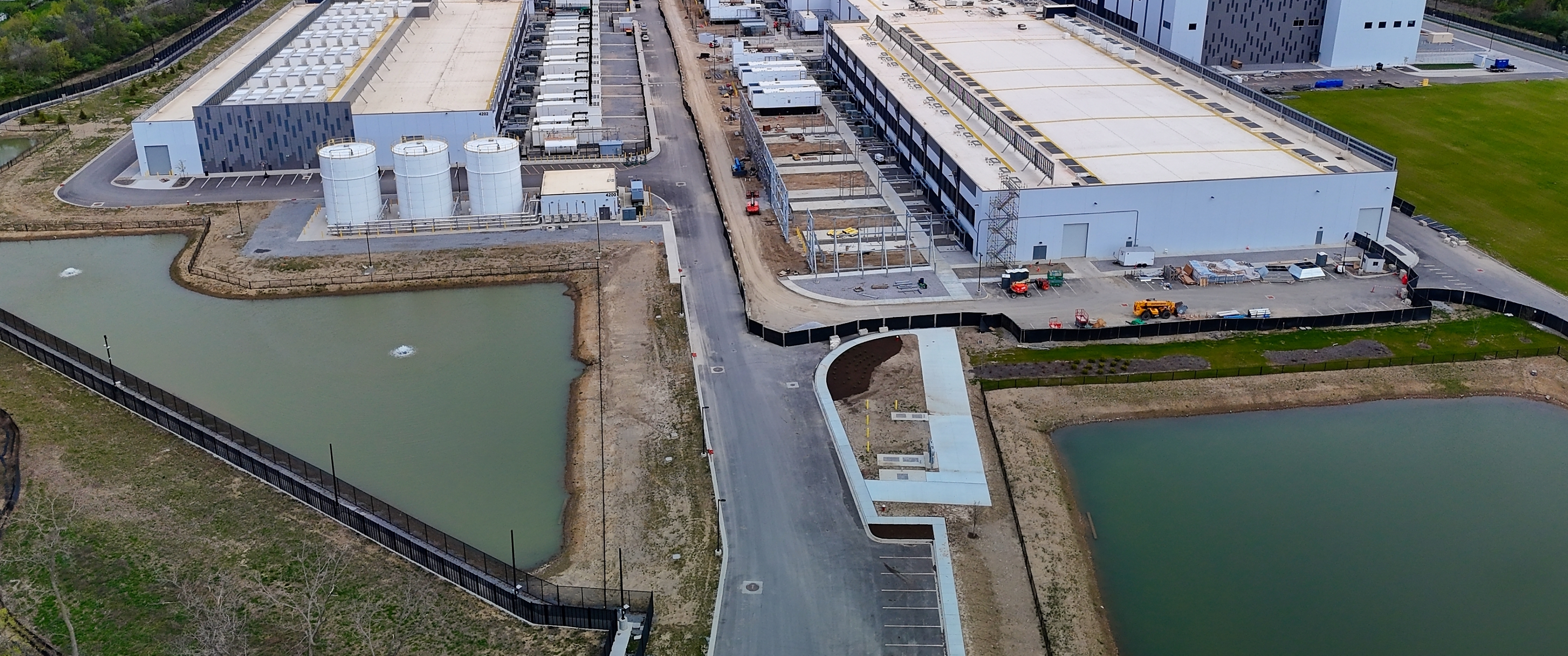
Data centers are not small-footprint projects. Hyperscale facilities may span 500,000 square feet or more and require dedicated electrical substations, redundant cooling systems, fiber-optic infrastructure, and extensive civil site work.
When those projects land in rural counties, counties that may lack the existing utility capacity, road access, or labor pool, the construction scope could expand significantly.
Power infrastructure is the most immediate constraint. ConstructConnect has tracked a surge in power-related construction starts nationally, and a rural shift in data center siting could intensify demand for substation construction, transmission line upgrades, and on-site electric storage capacity in markets that have never needed it at this scale.

Public Impact Growing
The Pew analysis also found that the share of Americans living within five miles of an operational data center currently stands at 38%. That figure rises to 42% when planned facilities are included.
Despite that growing proximity, public awareness and opinion about data centers remain relatively unchanged. People living near data centers, Pew researchers found, hold broadly similar views to the general population on jobs, energy use, and environmental effects.
That relative calm could change as rural communities begin to experience the full construction footprint, truck traffic, workforce influx, power grid strain, and water usage, that accompanies hyperscale development.
Stay Connected
Stay connected with ConstructConnect News for construction industry news and construction market analysis to stay ahead of what’s building next.
About ConstructConnect
At ConstructConnect, our software solutions provide the information that construction professionals need to start every project on a solid foundation. For more than 100 years, our keen insights and market intelligence have empowered commercial firms, building product manufacturers, trade contractors, and architects to make data-driven decisions, streamline preconstruction workflows, and maximize their productivity. Our newest offerings—including our comprehensive, AI-assisted software—help our clients find, bid on, and win more projects.
ConstructConnect operates as a business unit of Roper Technologies (Nasdaq: ROP), a constituent of the Nasdaq 100, S&P 500, and Fortune 1000.
For more information, visit constructconnect.com