
KEY POINTS
-
DESRI and Tierra Adentro Growth Capital started construction on the Foxtail Flats and Four Mile Mesa solar-and-storage projects in San Juan County, N.M., combining 270 MW of solar generation with 180 MW of battery capacity.
-
The two projects are backed by named offtake arrangements: Foxtail Flats under a long-term power purchase agreement with the Incorporated County of Los Alamos, and Four Mile Mesa through PNM’s Rate 36B structure supporting Meta’s data center operations.
-
With peak construction employment expected at about 600 workers and commercial operation targeted in 2027, the projects add more renewable-energy workload to San Juan County.
DESRI and Tierra Adentro Growth Capital started construction on the Foxtail Flats and Four Mile Mesa solar-and-storage projects in San Juan County, N.M., combining 270 MW of solar generation with 180 MW of battery capacity.
Project stakeholders marked the groundbreaking May 14, according to a DESRI and Tierra Adentro announcement.
With peak construction employment expected at about 600 workers and commercial operation targeted in 2027, the projects add more renewable-energy workload to a San Juan County corridor already anchored by DESRI’s operating San Juan Solar and Storage facility.
Project Co-Locates Solar and Energy Storage
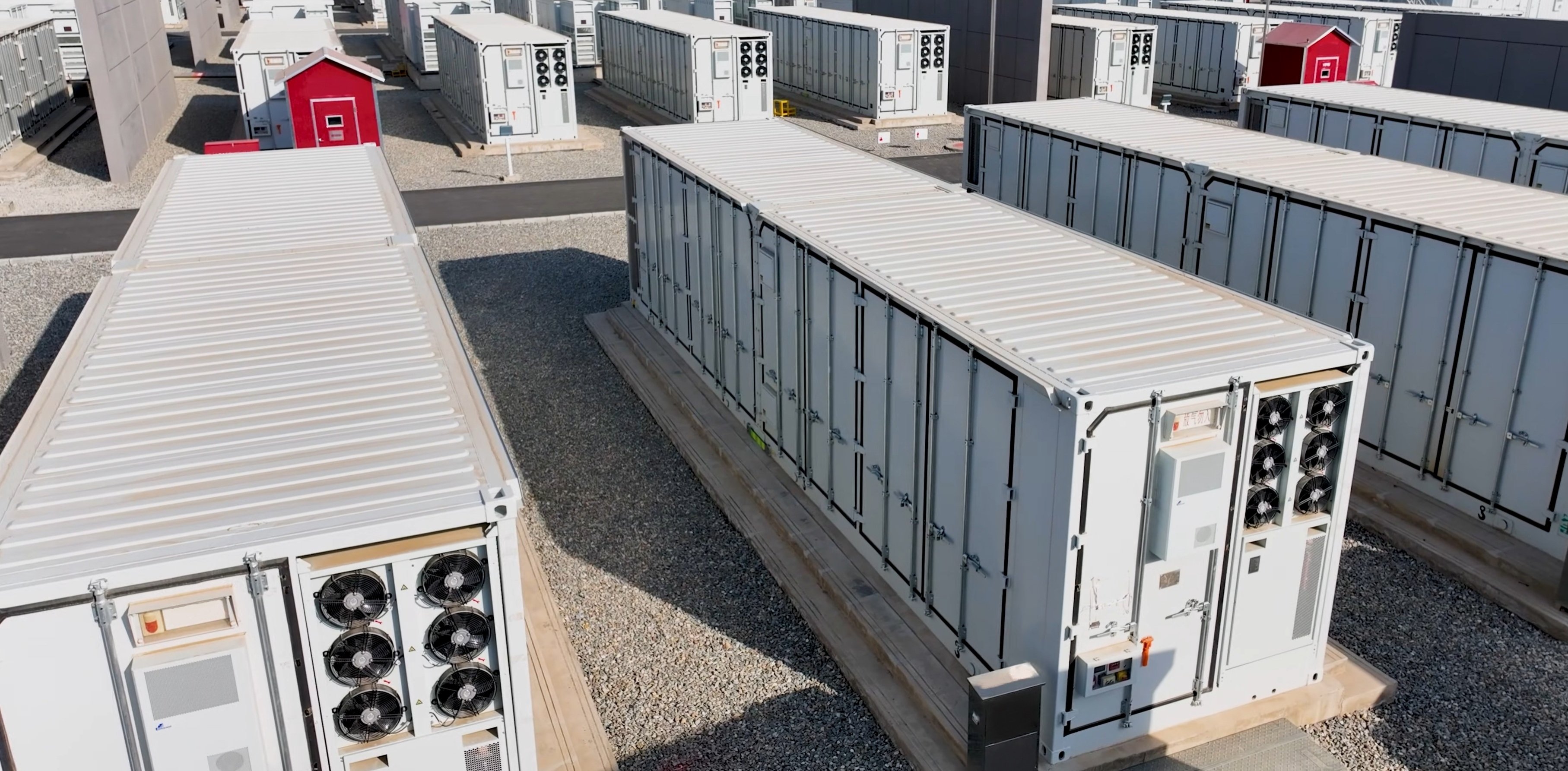
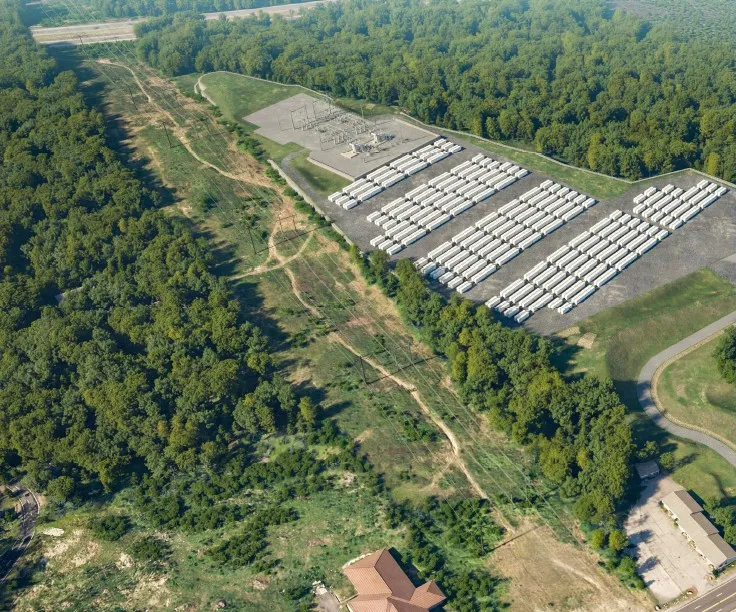
The projects, Foxtail Flats Solar and Storage, and Four Mile Mesa Solar and Storage, will combine for 270 megawatts of solar generation and 180 megawatts of battery storage power. Based on the capacities disclosed, the battery systems total 720 megawatt-hours of storage.
Co-location in energy refers to situating multiple energy technologies or large energy users at the same site to optimize efficiency, reliability, and cost-effectiveness.
The two projects are backed by these offtake arrangements:
-
Foxtail Flats under a long-term power purchase agreement with the Incorporated County of Los Alamos. Foxtail Flats consists of a 170 MW solar installation paired with an 80 MW/320 MWh battery system.
-
Four Mile Mesa through state utility PNM’s Rate 36B structure supporting Meta’s data center operations. Four Mile Mesa adds another 100 MW of solar generation and a 100 MW/400 MWh battery system.
Both projects are sited on land owned by the Ute Mountain Ute and sit adjacent to DESRI’s operating San Juan Solar and Storage facility as well as the retired San Juan Generating Station.
Commercial operation is expected to begin in 2027, according to developers.
Energy Storage Systems Jump as Electrification Surges
Demand for electricity is soaring—fueled by data centers, AI infrastructure, and general electrification. And utilities and grid operators seek ways to maximize the value of the grid, including storing energy.
Battery energy storage systems let utilities, private companies, or homeowners store excess power generated during lower-demand periods and discharge it later when demand peaks, improving grid reliability and resilience.
U.S. energy storage installations hit 57.6 GWh in 2025, a 30% jump over 2024 and four times 2022 levels, according to a Solar Energy Industries Association report. Total utility‑scale capacity reached 137 GWh, positioning energy storage as core grid infrastructure for both utilities and customers.
Energy storage matters especially when solar output is unavailable or limited, such as early on cold winter mornings, because stored power can be released when the system is under the most stress.
More broadly, this kind of storage helps make intermittent renewable generation more practical and supports a more flexible, resilient electric grid.
San Juan County’s Energy Corridor
San Juan County is an example of how legacy power infrastructure corridors are being repurposed for renewable generation and storage.
Building next to an operating DESRI asset and near the retired San Juan Generating Station gives the new projects a degree of locational logic:
1. Existing energy infrastructure,
2. Known transmission geography, and
3. A site already associated with utility-scale power production.
The projects also extend the economic life of a corridor that might otherwise have faced a steeper post-coal drop-off. TAGC said the two facilities are expected to employ about 600 construction workers at peak, adding another large labor demand point in northwest New Mexico.
DESRI did not disclose a total project value in the announcement. Even so, the scope implies a sizable package of civil, electrical, storage integration, and balance-of-plant work spread across two sites.
What It Means for Construction
The announcement creates potential opportunities in a surging nonresidential construction sector. In the June 2026 Data Center Report, ConstructConnect economists Michael Guckes and Devin Bell stated, that "Data center construction remained historically strong in April, with $2.4 billion in starts pushing 2026 year-to-date spending to $49.5 billion, far above the $13.6 billion recorded a year earlier."
The ConstructConnect report also noted that rising data center demand showed its impact on power infrastructure construction, with first-quarter 2026 starts up 21.2% from a year earlier.
The Foxtail Flats and Four Mile Mesa solar-and-storage projects in San Juan County, N.M. illustrate another overlap, between renewable generation and data center-related power demand.
In a related development, DESRI and Meta said earlier in May 2026 that they signed 850 megawatts of new power purchase agreements for 2026 projects in Oklahoma, Texas and Mississippi, bringing their total contracted solar and battery storage portfolio to about 2,575 MW across nine states.
DESRI describes itself on its website as a developer, owner and operator of renewable energy and storage assets across the United States. TAGC, on its site, says it is focused on strategic capital for next-generation infrastructure across advanced energy, manufacturing and digital infrastructure.
Stay Connected
Stay connected with ConstructConnect News for construction industry news and construction market analysis to stay ahead of what’s building next.
About ConstructConnect
At ConstructConnect, our software solutions provide the information that construction professionals need to start every project on a solid foundation. For more than 100 years, our keen insights and market intelligence have empowered commercial firms, building product manufacturers, trade contractors, and architects to make data-driven decisions, streamline preconstruction workflows, and maximize their productivity. Our newest offerings—including our comprehensive, AI-assisted software—help our clients find, bid on, and win more projects.
ConstructConnect operates as a business unit of Roper Technologies (Nasdaq: ROP), a constituent of the Nasdaq 100, S&P 500, and Fortune 1000.
For more information, visit constructconnect.com




%20designed%20to%20store%20and%20manage%20electricity%20from%20nearby%20solar%20farm.jpg)