KEY POINTS
-
Deep Fission signed a 25-year master energy purchase agreement with the Great Plains Development Authority for a planned commercial nuclear project in Parsons, Kansas.
-
The initial phase is anticipated at 150 megawatts, with commercial operation targeted for September 2028, with later phases potentially reaching 2 gigawatts by 2031.
-
The agreement is not a construction award, and the project depends on regulatory approvals, tenant demand and other conditions.
Deep Fission has signed a 25-year energy purchase agreement tied to a planned commercial nuclear project at the Great Plains Industrial Park in Parsons, Kansas.
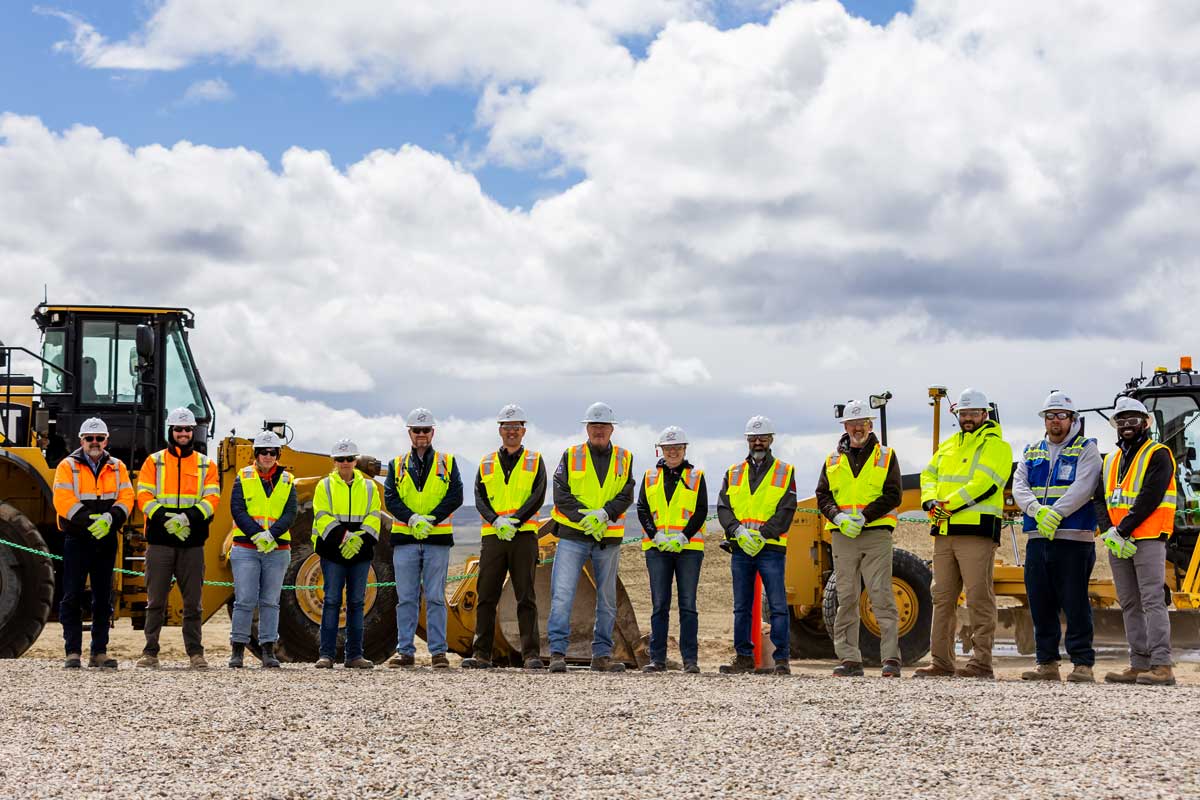
According to the company’s Oct. 20 announcement, the agreement with the Great Plains Development Authority converts a December 2025 letter of intent into a definitive contract for a commercial project at the site of the company’s U.S. Department of Energy pilot.
The initial commercial phase is anticipated to reach 150 megawatts, with a target commercial operation date of Sept. 30, 2028. Deep Fission said later phases could increase capacity to 2 gigawatts by 2031, depending on further demand growth. Those are development targets, not confirmed construction or commissioning dates.
Contract Links a Planned Power Supply with Industrial-Park Customers
The Great Plains Development Authority, which owns the industrial park, would purchase electricity generated and made available by Deep Fission to serve park tenants, up to the contracted capacity.
The agreement has no minimum purchase obligation, and the authority may assign its purchase obligations to qualifying tenants, according to the company’s announcement and SEC filing.
That means the contract links a planned power supply with industrial-park customers, but it does not guarantee a minimum volume of electricity sales. The filing identifies tenant demand as a factor in project development. Deep Fission is obligated to pursue the project and supply power once licensed and operating, subject to the agreement’s terms and conditions.
How Does the Planned Reactor Fit the Site
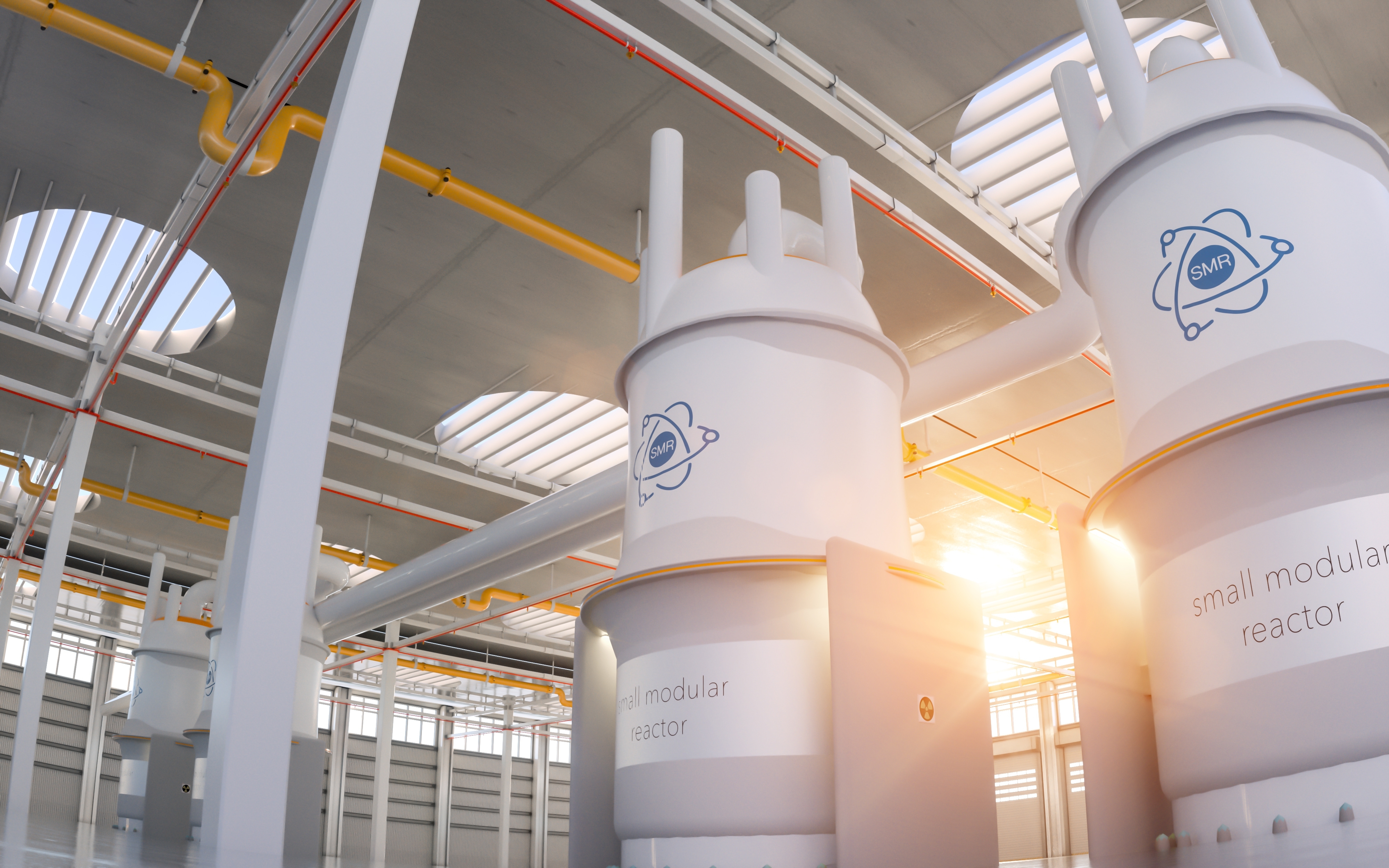
Deep Fission describes its Gravity system as a small modular pressurized-water reactor planned for installation in a borehole about one mile underground. The company says the surrounding water column and rock are intended to provide pressure control, cooling and shielding. The project is planned at the same industrial park where the company broke ground on its DOE pilot in December 2025.
The pilot and commercial project are separate development stages. The company’s Oct. 20 release describes the agreement as covering a planned commercial project at the pilot site. However, it does not say that commercial-project construction has begun.
The industrial park covers more than 14,000 acres and has existing rail access and utilities, according to the company, but the announcement did not identify the commercial project’s final site plan or surface facilities.
The development comes as the Power Infrastructure sector, which includes Power Lines, Power Generation, and Substations, accounts for 68% of all Civil construction gains this year through September. Its current total of $30.7 billion is well above last year’s comparable period spending of $11.7 billion, according to ConstructConnect Chief Economist Michael Guckes.
What is the Deep Fission Nuclear Reactor
Deep Fission plans to deploy its Gravity Nuclear Reactor, a small modular reactor based on pressurized water reactor technology, in boreholes about a mile underground. The company explained on its website that it will combine established nuclear, oil-and-gas drilling and geothermal technologies.
Each Gravity Nuclear Reactor unit is designed to produce up to 15 megawatts of electricity and use low-enriched uranium. Deep Fission said the underground design is intended to reduce surface infrastructure and exposure to external hazards.
A 150-megawatt plant operating continuously would produce enough electricity over a year to equal the annual consumption of roughly 122,000 U.S. homes. That is a rough scale comparison, not a projection of homes served. The estimate uses the U.S. Energy Information Administration’s 2022 average of 10,791 kilowatt-hours purchased per residential customer and assumes the full 150 megawatts is available all year. The actual output and delivery would depend on plant performance and project conditions.
The company was selected for the U.S. Department of Energy’s Reactor Pilot Program and plans to pursue DOE authorization for a demonstration alongside a separate commercial license from the Nuclear Regulatory Commission.
What Must Happen Before Commercial Operation
The agreement’s commercial operation conditions include licensing and other regulatory approvals. The company identified Nuclear Regulatory Commission licensing, Kansas regulatory approvals and required power-delivery arrangements among the factors that could affect the project. Its filing also says the project could be delayed, reduced in scope or not completed.
Deep Fission’s 150-megawatt initial phase and potential expansion to 2 gigawatts remain forward-looking targets, the company said. The announcement did not provide a commercial construction budget, general contractor, final design or construction schedule.
The next material milestones will include regulatory, engineering and delivery details that show whether the planned capacity can advance beyond the power agreement.
Stay Connected
Stay connected with ConstructConnect News for construction industry news and construction market analysis to stay ahead of what’s building next.
About ConstructConnect
At ConstructConnect, our software solutions provide the information construction professionals need to start every project on a solid foundation. For more than 100 years, our insights and market intelligence have empowered commercial firms, manufacturers, trade contractors, and architects to make data-driven decisions and maximize productivity.
ConstructConnect is a business unit of Roper Technologies (Nasdaq: ROP), part of the Nasdaq 100, S&P 500, and Fortune 1000.
For more information, visit constructconnect.com