KEY POINTS
-
Developer Rhynland Energy's proposed River Mill Storage project in Tyngsboro, Mass. would provide 500 megawatts of power and $40 million in local revenue.
-
The proposed location is on industrially zoned land at 406 Middlesex Road, with Conservation Commission approvals for tree removal and stormwater already in place.
-
The proposal arrives as Massachusetts pushes for more energy storage capacity.
A planned River Mill Storage facility at 406 Middlesex Road would rank among Massachusetts' largest battery energy storage projects while moving ahead on an industrial site that does not need Planning Board special permits.
According to the Boston Herald, Rhynland Energy presented its River Mill Storage proposal to the Tyngsboro Select Board on July 27, outlining a 500-megawatt battery energy storage system for 406 Middlesex Road.
The New York City developer was one of four companies selected for the right to operate in Massachusetts under a competitive procurement program run by the state's electric distribution companies and the Department of Energy Resources.
Industrial Zoned Property, By-Right Status
The site is industrially zoned, which gives the development by-right status and removes the need for Planning Board approval or a special permits.
The Herald also reported that the Conservation Commission has already signed off on tree removal and stormwater drainage plans, leaving the project with a smoother local path than some other large storage proposals in the state.
In Massachusetts, Conservation Commissions are local municipal boards responsible for administering the Wetlands Protection Act and safeguarding natural resources.

Shown in a rendering, River Mill Storage at 500 megawatts would equal 10% of Massachusetts' 5,000-megawatt battery energy storage target for 2030, according to the Herald. Image: Town of Tyngsboro
Rhynland executive Brian Benito told local officials, as reported by the Herald, that the project is designed to help close the intermittency gap between renewable generation and traditional fossil-fuel power.
The intermittency gap refers to the mismatch between how much electricity people need and how much power is being produced at any given time, since renewable sources like wind and solar do not generate electricity all the time.
River Mill Storage, at 500 megawatts, would equal 10% of Massachusetts' 5,000-MW battery storage target for 2030, according to the Herald. As a rough guide, one megawatt (MW) equals 1 million watts and can generally power about 800 to 1,000 homes.
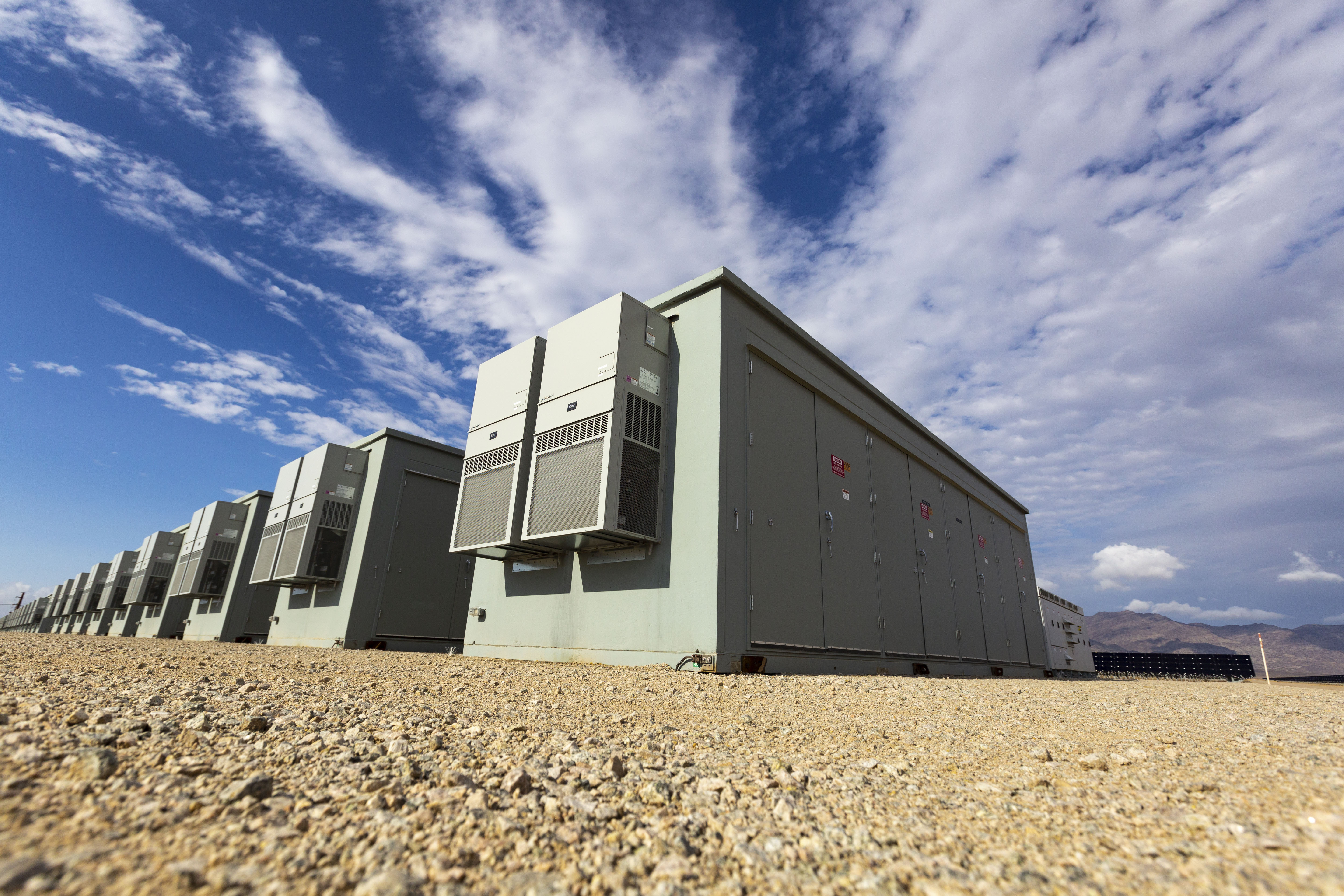
In practical terms, battery energy storage systems charge when renewable output is abundant and discharge back to the grid when solar and wind output falls or demand rises.
The energy storage battery market has experienced growth in an adjacent industry to the surge in AI data centers and electrification. In first quarter 2026, battery energy stationary storage (BESS) installations reached 9.7 GWh, reaching the largest Q1 in history and adding 32% year-over-year, according to the Solar Energies Industry Association (SEIA).
Leaders Weigh Benefits and Concerns of Energy Storage Systems
The scale also gives the project financial weight for Tyngsboro, Mass.. Its Town Manager Colin Loiselle said the host-community arrangement is still being finalized, but the town expects at least $2 million a year for 20 years through a payment-in-lieu-of-taxes structure. That would put the long-vacant parcel on track to generate at least $40 million over the life of the agreement.
Loiselle also said the site would turn an underused property into a steady fiscal asset for the town. That economic argument has become a recurring theme in battery storage siting fights, especially as communities weigh tax benefits and grid support against concerns about fire risk, emergency response and proximity to homes.
In Tyngsboro, local public safety officials appear to be more comfortable with the proposal than officials and residents have been in some other Massachusetts communities. The Herald reported that Fire Chief Wes Russell told the Select Board the project presents little added risk to public safety, with residential and commercial properties set back at what the town considers a safe distance.
Russell also said he was satisfied with the safety considerations built into the storage tank design after reviewing the proposal.
Stay Connected
Stay connected with ConstructConnect News for construction industry news and construction market analysis to stay ahead of what’s building next.
About ConstructConnect
At ConstructConnect, our software solutions provide the information that construction professionals need to start every project on a solid foundation. For more than 100 years, our keen insights and market intelligence have empowered commercial firms, building product manufacturers, trade contractors, and architects to make data-driven decisions, streamline preconstruction workflows, and maximize their productivity. Our newest offerings—including our comprehensive, AI-assisted software—help our clients find, bid on, and win more projects.
ConstructConnect operates as a business unit of Roper Technologies (Nasdaq: ROP), a constituent of the Nasdaq 100, S&P 500, and Fortune 1000.
For more information, visit constructconnect.com